
Fall Prevention Tips for Seniors at Home: A Practical Guide to Safer Living
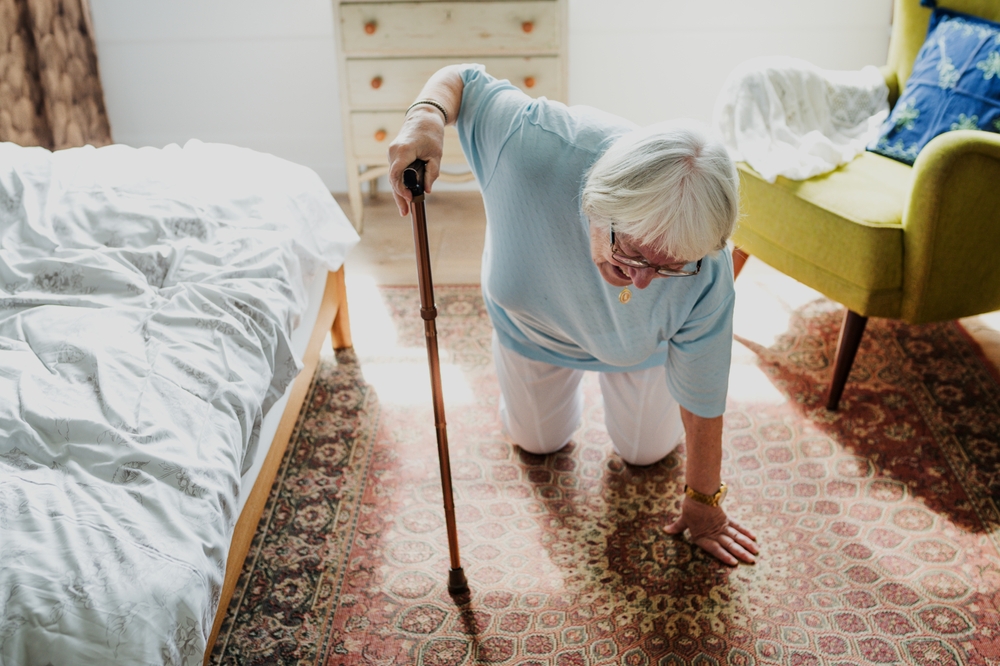
Falls don’t usually happen because of one big mistake. They’re almost always the result of small, overlooked risks stacking up over time—poor lighting, medication side effects, muscle weakness, or even something as simple as a loose rug.
According to the CDC, falls are the leading cause of injury for adults ages 65 years and older. Older adult falls are common, costly, and preventable. Over 14 million, or 1 in 4 older adults report falling every year. While all falls may not result in an injury, around 37% of those who fall reported an injury that required medical treatment or restricted their activity for at least one day, resulting in an estimated nine million fall injuries.
For older adults, a fall can change everything. Recovery is often slower, confidence drops, and independence can be affected. The good news is that most falls are preventable with the right adjustments, awareness, and support.
This guide breaks down the most effective fall prevention tips for seniors at home, combining clinical insight with real-world practicality. Whether you’re a caregiver, family member, or managing your own care, these strategies are designed to reduce risk and improve daily safety without disrupting quality of life.
Why Fall Prevention at Home Matters More Than You Think
Most senior falls don’t happen outside—they happen at home, in familiar spaces. That’s what makes them dangerous. Routine leads to comfort, and comfort can lead to complacency.
Common consequences of falls include:
- Hip fractures and head injuries
- Loss of mobility or independence
- Increased risk of hospitalization
- Fear of falling again, which limits activity
Preventing falls isn’t just about safety—it’s about preserving confidence, mobility, and long-term health.
The Most Common Causes of Falls in Seniors
Before making changes, it’s important to understand what’s actually causing the risk. Falls are rarely random.
1. Muscle Weakness and Balance Issues
Aging naturally reduces muscle mass and coordination. Even small declines in strength can affect stability when standing, walking, or turning.
2. Medication Side Effects
Certain prescriptions, especially those for blood pressure, sleep, or anxiety, can cause dizziness, drowsiness, or sudden drops in blood pressure.
3. Vision Changes
Reduced depth perception and difficulty seeing in low light can make everyday obstacles harder to detect.
4. Environmental Hazards
Clutter, loose rugs, uneven flooring, and poor lighting are among the most common triggers for falls at home.
5. Chronic Conditions
Conditions like arthritis, diabetes, Parkinson’s disease, or neuropathy can affect movement and sensation, increasing fall risk.
Fall Prevention Tips for Seniors at Home
The most effective approach is layered—addressing physical health, the home environment, and daily routines together.
Make the Home Safer Without Overcomplicating It
Start with the environment. Small changes here deliver immediate results.
Eliminate Tripping Hazards
- Remove loose rugs or secure them with non-slip backing
- Keep walkways clear of cords, clutter, and furniture edges
- Repair uneven flooring or loose tiles
Improve Lighting in Every Room
- Install brighter bulbs, especially in hallways and staircases
- Use motion-sensor night lights for nighttime navigation
- Ensure light switches are easily accessible from entrances
Install Safety Features Where Needed
- Grab bars in bathrooms near toilets and showers
- Non-slip mats inside and outside the shower
- Handrails on both sides of staircases
Rethink High-Risk Areas
Kitchens and bathrooms are the most common fall zones.
- Keep frequently used items within easy reach
- Avoid step stools unless supervised
- Use seated options for grooming or cooking when possible
Strength, Balance, and Movement: The Foundation of Prevention
Physical conditioning plays a major role in fall prevention. Even modest improvements in strength and balance significantly reduce risk.
Focus on Functional Strength
This isn’t about heavy workouts—it’s about everyday movement:
- Sit-to-stand exercises
- Light resistance training
- Controlled walking routines
Improve Balance Gradually
- Standing on one foot (with support nearby)
- Heel-to-toe walking
- Guided balance programs
Stay Consistent, Not Intense
The goal is consistency. A few minutes daily is more effective than occasional longer sessions.
For seniors receiving in-home care, structured movement routines can be built into daily visits through caregiver support or nurse-guided programs.
Medication Management: A Critical but Overlooked Factor
Many falls are tied directly to medication interactions or side effects.
What to Watch For
- Dizziness or lightheadedness
- Drowsiness or confusion
- Sudden drops in blood pressure when standing
Best Practices
- Schedule regular medication reviews
- Avoid mixing prescriptions without professional guidance
- Monitor for changes when new medications are introduced
With proper medication management, these risks can be significantly reduced. Ongoing oversight ensures that medications support health without compromising safety.
Footwear and Mobility Aids Matter More Than You Think
What seniors wear on their feet—and how they move—can directly impact fall risk.
Choose the Right Footwear
- Non-slip soles
- Proper fit with good support
- Avoid walking barefoot or in socks on smooth surfaces
Use Mobility Aids Correctly
Canes and walkers are helpful, but only when used properly:
- Ensure correct height adjustment
- Replace worn-out rubber tips
- Get guidance on proper usage
Improper use can increase risk instead of reducing it.
Vision and Health Monitoring
Routine health checks are a key part of fall prevention. If you can get caregiver support, it can help prevent or lower your risks of falling.
Vision Care
- Schedule regular eye exams
- Update prescriptions as needed
- Address cataracts or glaucoma early
Monitor Chronic Conditions
Conditions like diabetes or cardiovascular issues can affect balance and coordination. Consistent monitoring and care coordination help reduce complications that lead to falls.
The Role of In-Home Care in Fall Prevention
This is where fall prevention shifts from reactive to proactive.
Professional in-home care providers can:
- Conduct home safety assessments
- Monitor mobility and balance changes
- Assist with daily activities safely
- Coordinate care across multiple health needs
Services like primary senior care, nurse care management, and chronic condition management provide ongoing oversight that identifies risks early—before a fall occurs.
Telemedicine Adds Another Layer of Protection
Regular check-ins through telemedicine allow providers to monitor symptoms, adjust care plans, and respond quickly to changes without requiring travel.
Behavioral and Psychological Factors
Fall risk isn’t just physical.
Fear of Falling
After one fall, many seniors become hesitant to move freely. This often leads to reduced activity, which weakens muscles and increases risk over time.
Cognitive and Behavioral Health
Memory issues, confusion, or poor judgment can contribute to unsafe decisions.
Support through psychiatric and behavioral health services ensures these factors are addressed alongside physical health, creating a more complete prevention strategy.
Daily Habits That Reduce Fall Risk
Small habits make a big difference when repeated consistently.
- Stand up slowly, especially from bed or seated positions
- Stay hydrated to avoid dizziness
- Keep a phone or emergency device within reach
- Avoid rushing, particularly when navigating stairs or tight spaces
- Use assistive devices consistently, not just when feeling unsteady
These adjustments may seem minor, but they directly reduce the likelihood of a fall.
Building a Fall Prevention Plan That Actually Works
The most effective plans are personalized. Every scenario is different and requires special attention. What works for one senior may not apply to another.
A strong fall prevention plan includes:
- A home safety evaluation
- A mobility and strength baseline
- Medication review
- Ongoing monitoring and adjustments
This is where coordinated care—combining caregiver support, medical oversight, and daily assistance—delivers real results.
If you’re looking for a complete senior care solution, be sure to check out our COMPASS Program.
Frequently Asked Questions About Fall Prevention Tips for Seniors at Home
What are the most effective fall prevention tips for seniors at home?
The most effective strategies include removing tripping hazards, improving lighting, installing grab bars, maintaining strength and balance through regular movement, and managing medications carefully. A combination of environmental changes and health monitoring delivers the best results.
How can I make a home safer for an elderly parent?
Start with a room-by-room safety check. Focus on bathrooms, stairways, and walkways. Add non-slip surfaces, improve lighting, and remove clutter. Consider professional in-home care support for ongoing safety monitoring and assistance.
Do falls always happen because of poor balance?
Not always. While balance plays a role, many falls are caused by external factors like poor lighting, medications, or environmental hazards. Addressing all contributing factors is key to prevention.
Can in-home care help prevent falls?
Yes. In-home care providers play a critical role by monitoring daily routines, assisting with mobility, managing medications, and identifying risks early. Services like nurse care management and caregiver support provide consistent oversight that reduces fall risk.
What exercises help prevent falls in seniors?
Exercises that improve strength and balance are most effective. These include sit-to-stand movements, walking routines, light resistance training, and balance exercises like standing on one foot with support.
How often should medications be reviewed for fall risk?
Medications should be reviewed regularly—especially when new prescriptions are added or symptoms like dizziness occur. Ongoing medication management helps prevent side effects that increase fall risk.
In Closing
Preventing falls at home isn’t about making life restrictive—it’s about making it safer without sacrificing independence. With the right environment, consistent care, and proactive monitoring, seniors can continue living confidently in the place they know best.
If you or your loved one needs assistance, reach out to our care team today: 1-888-982-8594 or you can contact us online by clicking here.
