
What Daily Tasks Do Seniors Struggle With the Most? A Real-World Look at Aging, Independence, and Support
As people age, the definition of “routine” quietly changes. Tasks that once took minutes can become physically demanding, mentally exhausting, or even risky. For many families, the challenge isn’t recognizing that a loved one needs help—it’s understanding exactly where and why that help is needed.
If you’re asking what daily tasks seniors struggle with the most, you’re already looking at the right problem. These challenges aren’t just inconveniences. They’re early indicators of declining independence, increased fall risk, medication errors, and avoidable hospital visits.
The goal isn’t to take independence away. It’s to protect it.
Why Daily Tasks Become More Difficult With Age
Before breaking down specific tasks, it’s important to understand what’s actually driving these struggles. It’s rarely just “old age.”
In most cases, it’s a combination of:
- Reduced mobility and balance
- Muscle weakness and joint pain (often from arthritis)
- Cognitive decline or memory impairment
- Vision and hearing changes
- Chronic conditions such as diabetes, heart disease, or COPD
- Medication side effects
These factors don’t show up all at once. They build gradually, which is why many seniors adapt quietly—until something goes wrong.
The Daily Tasks Seniors Struggle With the Most
These challenges typically fall into two categories: Activities of Daily Living (ADLs) and Instrumental Activities of Daily Living (IADLs). Both are critical to maintaining independence at home.
Personal Care Tasks (ADLs)
These are the most basic daily functions—and often the most sensitive to talk about.
Bathing and Showering
Bathing is one of the earliest and most common struggles.
- Slippery surfaces increase fall risk
- Limited mobility makes stepping into tubs difficult
- Fear of falling leads some seniors to avoid bathing altogether
What starts as a physical limitation often turns into a hygiene and health concern.
Dressing
Dressing requires coordination, balance, and fine motor skills.
- Buttons, zippers, and shoes become harder to manage
- Limited range of motion makes it difficult to put on clothing
- Cognitive decline can lead to confusion about appropriate attire
This is often one of the first signs families notice.
Toileting
Toileting challenges are rarely discussed openly, but they are extremely common.
- Difficulty getting on and off the toilet
- Urgency or incontinence issues
- Increased fall risk in the bathroom
These issues can significantly impact dignity and confidence.
Mobility and Transferring
Simple movements—standing up, sitting down, getting in and out of bed—can become difficult.
- Weakness and balance issues increase fall risk
- Pain or stiffness limits movement
- Fear of falling reduces activity, which accelerates decline
Mobility challenges are often the tipping point for needing additional support.
Household and Independent Living Tasks (IADLs)
These tasks are more complex and often decline before personal care abilities.
Cooking and Meal Preparation
Preparing meals requires planning, coordination, and physical stamina.
- Difficulty standing for long periods
- Forgetting to turn off the stove
- Trouble handling cookware safely
Many seniors begin skipping meals or relying on unhealthy convenience foods.
Medication Management
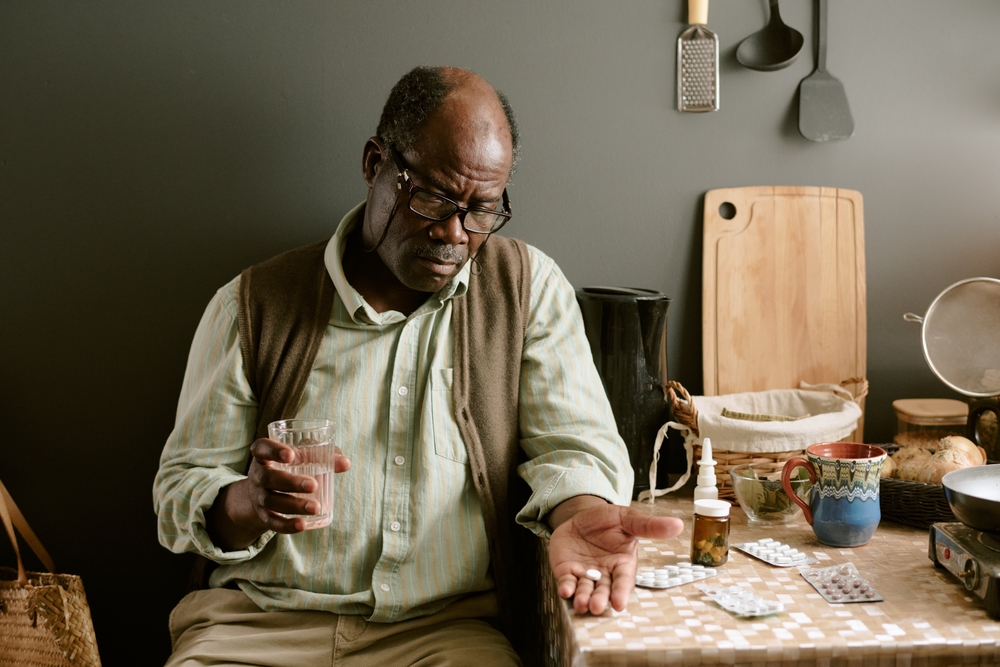
This is one of the most critical—and dangerous—areas of decline. Medication management is extremely important to ensure you or your loved one is feeling their best.
- Forgetting doses or taking incorrect amounts
- Confusion between medications
- Difficulty managing complex schedules
Medication errors are a leading cause of preventable hospital visits among seniors.
Housekeeping and Laundry
Cleaning and maintaining a home becomes physically demanding over time.
- Vacuuming, mopping, and lifting laundry baskets become difficult
- Clutter can increase fall risk
- Neglected home environments can impact mental health
This often goes unnoticed until conditions worsen.
Transportation and Driving
Driving represents independence, which is why this decline is often resisted.
- Slower reaction times
- Vision impairments
- Increased anxiety behind the wheel
When driving becomes unsafe, isolation often follows.
Managing Finances
Cognitive changes can make financial management risky.
- Missed bill payments
- Difficulty tracking expenses
- Increased vulnerability to scams
This is a critical area where oversight becomes essential.
The Overlooked Challenges: Mental and Emotional Tasks
We talk about this a lot with our behavioral health support services. Not all daily struggles are physical. Some of the most impactful challenges are cognitive and emotional.
Memory and Decision-Making
Even mild cognitive decline can disrupt daily life.
- Forgetting appointments or medications
- Difficulty following routines
- Poor judgment in everyday decisions
These issues often develop gradually but have significant consequences.
Social Engagement
Isolation is one of the most underestimated risks for seniors.
- Loss of mobility limits social interaction
- Friends and family may live far away
- Depression and anxiety can increase
Social withdrawal often accelerates both physical and cognitive decline.
Early Warning Signs Families Shouldn’t Ignore
Many seniors won’t openly admit they’re struggling. Recognizing subtle changes is key.
Look for:
- Unexplained weight loss or poor nutrition
- Missed medications or medical appointments
- Increased clutter or unsafe living conditions
- Changes in mood, behavior, or hygiene
- Frequent falls or near-misses
These signs often indicate that daily tasks are becoming unmanageable.
How In-Home Support Helps Seniors Stay Independent Longer
The right support doesn’t take control away—it restores balance.
For many families, in-home senior care is the most effective way to address these challenges while allowing seniors to remain in a familiar environment.
Targeted Support for Daily Tasks
A comprehensive in-home care model can include:
- Assistance with personal care like bathing, dressing, and mobility
- Medication management to prevent errors and complications
- Chronic condition management to stabilize health
- Meal preparation and nutritional support
- Light housekeeping and home safety improvements
Clinical Oversight and Coordination
What separates high-quality care is coordination.
With nurse care management and telemedicine access, families gain:
- Ongoing health monitoring
- Faster response to changes in condition
- Reduced hospital visits
- Clear communication across providers
Emotional and Behavioral Health Support
Mental health plays a critical role in daily functioning.
Support may include:
- Routine engagement and companionship
- Behavioral health monitoring
- Early intervention for depression or anxiety
This layer of care is often the difference between stability and rapid decline.
Why Addressing These Struggles Early Changes Everything
Waiting until a crisis occurs—like a fall or hospitalization—limits options.
Early intervention leads to:
- Better health outcomes
- Fewer emergency situations
- Longer independence at home
- Reduced stress for families
The earlier daily challenges are identified and supported, the more control families have over long-term care decisions.
A Practical Way to Evaluate Daily Function
If you’re unsure whether a loved one needs help, start with a simple evaluation:
Ask yourself:
- Can they safely complete personal care tasks on their own?
- Are meals consistent and nutritious?
- Are medications taken correctly every day?
- Is the home environment clean and safe?
- Are they socially engaged and mentally stimulated?
If the answer to any of these is “no” or “not consistently,” it’s time to consider support.
Bringing It All Together
Understanding what daily tasks seniors struggle with the most isn’t just about identifying limitations. It’s about creating a path forward.
Aging doesn’t have to mean losing independence. With the right structure—personal care, medical oversight, and emotional support—seniors can maintain control over their lives far longer than most families expect.
For providers like Seniority Healthcare, the focus is simple: meet seniors where they are, support what matters most, and build a care plan that evolves as needs change. This is where our COMPASS Program can help. It provides a complete solution to help you or your loved one. Click here to learn more or if you have a question, you can always reach our care team by calling 1-888-982-8594. You can also contact online by clicking here.
FAQs: What Daily Tasks Do Seniors Struggle With the Most
What are the most common daily tasks seniors struggle with?
The most common challenges include bathing, dressing, mobility, cooking, medication management, housekeeping, and transportation. These tasks become more difficult due to physical, cognitive, and sensory changes.
At what age do seniors typically start needing help with daily tasks?
There is no fixed age. Some individuals need support in their late 60s, while others remain independent well into their 80s or 90s. It depends on overall health, mobility, and cognitive function.
What is the biggest safety risk related to daily tasks?
Falls are the most significant risk, especially during bathing, toileting, and mobility-related activities. Medication errors are another major concern.
How can families tell if a senior is struggling at home?
Look for signs such as missed medications, poor hygiene, weight loss, cluttered living spaces, and changes in mood or behavior. These are often indicators that daily tasks are becoming difficult.
Can seniors regain independence after struggling with daily tasks?
In many cases, yes. With the right support—such as physical therapy, proper medication management, and in-home care—seniors can improve their ability to manage daily routines.
What type of care helps seniors with daily tasks at home?
In-home senior care is one of the most effective solutions. It provides personalized support with daily activities, medical coordination, and emotional well-being while allowing seniors to remain in a familiar environment.
Is it better to get help early or wait until it’s necessary?
Early support is always more effective. It prevents injuries, reduces stress, and helps seniors maintain independence longer while avoiding crisis-driven decisions.
