
What Does It Mean When A Senior Keeps Falling? Causes, Risks, and What Families Should Do Next
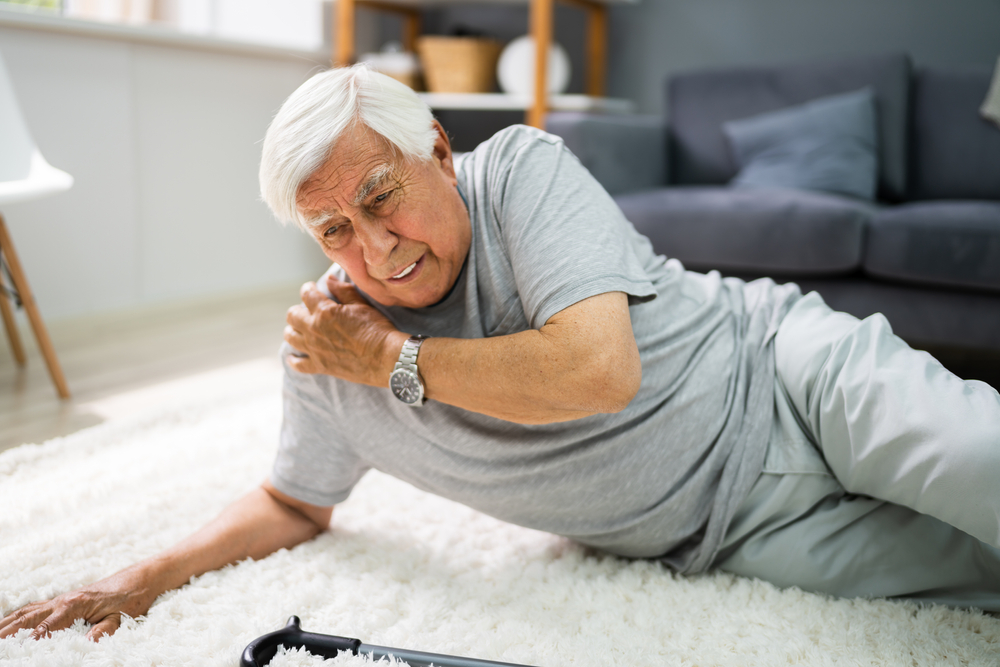
A single fall can be dismissed as an accident. But when it starts happening repeatedly, it’s no longer random. It’s a signal.
Understanding what it means when a senior keeps falling requires looking beyond the fall itself. In most cases, repeated falls are not the problem—they’re the symptom of something deeper, often involving physical decline, medication issues, cognitive changes, or environmental risks.
For families, recognizing this early is critical. Falls are one of the fastest ways a senior can lose independence, and in many cases, they’re preventable when the underlying cause is properly addressed.
Why Repeated Falls Should Never Be Ignored
Falls are one of the leading causes of injury in older adults, but the real concern isn’t just the immediate impact. It’s what repeated falls indicate about overall health.
When a senior falls more than once, it often points to:
- A decline in strength or balance
- Changes in coordination or mobility
- Underlying medical conditions
- Cognitive or neurological issues
- Medication-related side effects
In other words, the body is struggling to maintain stability—and that rarely happens without a reason.
The Most Common Causes of Frequent Falls in Seniors
There’s rarely a single cause. Most falls are the result of multiple contributing factors working together.
Muscle Weakness and Balance Decline
As people age, muscle mass naturally decreases. Without consistent strength and mobility, even simple movements can become unstable.
This often shows up as:
- Difficulty standing up from a seated position
- Slower walking speed
- Unsteady posture
Balance is closely tied to strength. When one declines, the other follows.
Medication Side Effects and Interactions
One of the most overlooked causes of frequent falls is medication.
Certain prescriptions can cause:
- Dizziness
- Drowsiness
- Drops in blood pressure
- Delayed reaction time
When multiple medications are involved, the risk increases significantly.
This is why structured medication management, like what’s provided through Seniority Healthcare, plays a critical role in fall prevention.
Vision Problems
Clear vision is essential for spatial awareness and navigation.
Seniors experiencing vision decline may:
- Misjudge distances
- Miss obstacles
- Struggle in low-light environments
Even minor vision changes can significantly increase fall risk.
Chronic Health Conditions
Several medical conditions directly impact balance and coordination.
These include:
- Diabetes (nerve damage affecting sensation in the feet)
- Cardiovascular conditions (causing dizziness or fainting)
- Neurological disorders (affecting movement and control)
When these conditions are not properly managed, falls become more likely.
Cognitive Decline
Memory and awareness play a larger role in mobility than most people realize.
Seniors with cognitive changes may:
- Forget to use assistive devices
- Misjudge their physical abilities
- Become disoriented in familiar spaces
This combination increases both the frequency and severity of falls.
Environmental Hazards in the Home
The home itself can be a major risk factor.
Common hazards include:
- Loose rugs or cluttered walkways
- Poor lighting
- Stairs without proper support
- Slippery bathroom surfaces
These risks are often overlooked because they’ve always been part of the environment—but as mobility changes, they become dangerous.
The Hidden Consequences of Repeated Falls
The physical injury from a fall is only part of the issue. The long-term effects are often more significant.
Loss of Confidence and Fear of Falling
After multiple falls, many seniors develop a fear of falling again.
This leads to:
- Reduced movement
- Avoidance of daily activities
- Increased isolation
Ironically, this fear often accelerates physical decline, making future falls more likely.
Rapid Decline in Independence
A fall can mark a turning point.
What starts as:
- Occasional instability
…can quickly lead to:
- Dependence on others for basic tasks
- Limited mobility
- Reduced ability to live independently
Without intervention, this decline can happen faster than most families expect.
Increased Risk of Serious Injury
Each fall carries the risk of:
- Fractures (especially hip fractures)
- Head injuries
- Long-term complications
Recovery from these injuries becomes more difficult with age, often leading to extended hospital stays or permanent changes in lifestyle.
What Families Should Do When Falls Become Frequent
When a senior keeps falling, the response should be proactive—not reactive.
Look for Patterns, Not Just Incidents
Start by identifying:
- When falls are happening
- Where they occur
- What the senior was doing at the time
Patterns often reveal the underlying cause.
Address Medical and Medication Factors
Falls are frequently tied to health changes.
A comprehensive evaluation should include:
- Review of medications
- Assessment of chronic conditions
- Evaluation of balance and mobility
This is where coordinated care becomes essential.
Evaluate the Home Environment
Small adjustments can significantly reduce risk.
Focus on:
- Removing tripping hazards
- Improving lighting
- Installing support features in key areas
These changes are simple but highly effective.
How In-Home Care Helps Prevent Falls
Preventing falls requires consistent, day-to-day support—not just occasional check-ins.
In-home senior care addresses this directly.
Ongoing Monitoring and Early Intervention
Care providers are able to:
- Identify subtle changes in movement
- Recognize early warning signs
- Intervene before falls occur
This level of attention is difficult to achieve without consistent presence.
Support With Mobility and Daily Activities
Seniors receive assistance with:
- Walking and transferring
- Navigating stairs or uneven surfaces
- Completing daily tasks safely
This reduces both physical strain and risk.
Coordination of Health and Medication Management
With access to:
- Primary senior care
- Nurse care management
- Medication oversight
…providers can address the root causes of instability, not just the symptoms.
Integration of Telemedicine for Ongoing Oversight
Telemedicine allows for:
- Quick adjustments to care plans
- Immediate response to changes in condition
- Continuous connection with healthcare providers
This ensures that fall prevention strategies evolve as needs change.
Behavioral and Cognitive Support
If cognitive decline is contributing to falls, behavioral health support becomes a key component.
Care providers help:
- Reinforce safe habits
- Provide reminders and guidance
- Reduce confusion and disorientation
This adds another layer of protection.
When It’s Time to Take Falls Seriously
A single fall may not require major changes. Repeated falls always do.
You should take immediate action if:
- Falls are happening more than once
- There is any injury involved
- The senior shows fear or hesitation when moving
- Mobility is noticeably declining
At this stage, the goal shifts from observation to prevention.
A More Effective Approach to Fall Prevention
Falls are rarely isolated events. They’re indicators of broader health challenges that require a coordinated response. This is where our COMPASS Program can help.
Seniority Healthcare’s model addresses this by combining:
- In-home primary care
- Chronic condition management
- Medication oversight
- Nurse care coordination
- Behavioral health support
This integrated approach ensures that every contributing factor—physical, medical, and environmental—is addressed together.
Because when a senior keeps falling, the real question isn’t just how to stop the falls—it’s how to stabilize everything causing them.
Reach out to our care team now to schedule a free consultation.
FAQ: What Does It Mean When A Senior Keeps Falling
What does it mean when an elderly person keeps falling?
Frequent falls usually indicate underlying issues such as muscle weakness, balance problems, medication side effects, or cognitive decline. It’s rarely just accidental.
How many falls are considered a serious concern?
More than one fall within a short period should be taken seriously. Repeated falls signal a higher risk of injury and require evaluation.
Can medications cause seniors to fall more often?
Yes. Many medications can cause dizziness, drowsiness, or low blood pressure, all of which increase fall risk—especially when multiple prescriptions are involved.
What are the most common causes of falls in seniors?
The most common causes include balance issues, muscle weakness, chronic conditions, vision problems, medication side effects, and unsafe home environments.
How can in-home care help prevent falls?
In-home care provides monitoring, mobility assistance, medication management, and environmental safety improvements, all of which reduce fall risk.
Should a senior go to the hospital after a fall?
If there is any injury, confusion, or ongoing pain, medical evaluation is important. Even minor falls can lead to hidden complications.
Can falls be prevented with the right care?
In many cases, yes. Identifying and addressing the underlying causes significantly reduces the likelihood of future falls.
