Falls don’t usually happen because of one big mistake. They’re almost always the result of small, overlooked risks stacking up over time—poor lighting, medication side effects, muscle weakness, or even something as simple as a loose rug. According to the CDC, falls are the leading cause of injury for adults ages 65 years and older. […]
How To Help Seniors Manage Chronic Pain
Chronic pain changes how seniors move, think, and live their daily lives. It can quietly reduce independence, disrupt sleep, affect mood, and make even simple routines feel overwhelming. For families and caregivers, the challenge isn’t just reducing pain—it’s restoring quality of life in a way that’s sustainable and respectful. Understanding how to help seniors manage […]
What To Know About Cognitive Decline In Seniors
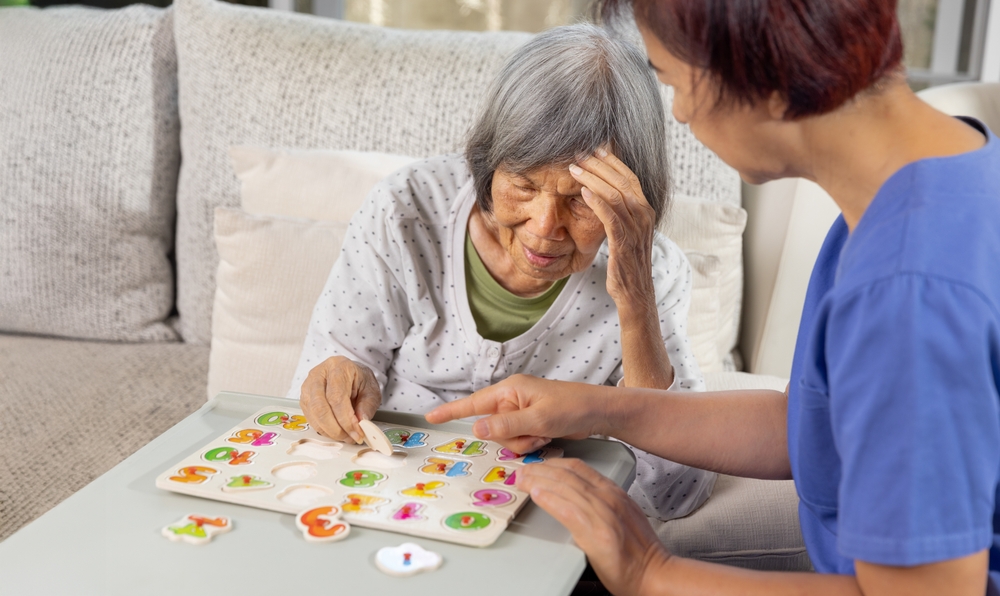
Cognitive decline is one of the most misunderstood aspects of aging. Families often notice subtle changes—a missed appointment, repeated questions, confusion with routine tasks—but aren’t always sure what those changes mean or what to do next. Understanding cognitive decline in seniors isn’t just about identifying memory loss. It’s about recognizing patterns, distinguishing normal aging from […]
What Does It Mean When A Senior Keeps Falling? Causes, Risks, and What Families Should Do Next
A single fall can be dismissed as an accident. But when it starts happening repeatedly, it’s no longer random. It’s a signal. Understanding what it means when a senior keeps falling requires looking beyond the fall itself. In most cases, repeated falls are not the problem—they’re the symptom of something deeper, often involving physical decline, […]
Senior Struggling With Managing Money: Warning Signs, Causes, and What Families Should Do Next
Financial independence is one of the strongest indicators of autonomy. For many seniors, managing money isn’t just about paying bills—it’s about maintaining control over daily life. So when a senior is struggling with managing money, it’s rarely just a financial issue. It’s often one of the earliest and clearest signs that something deeper is changing—whether […]
Senior Memory Loss: What’s Normal, What’s Not, and How to Respond Early
Memory changes are one of the most common—and most misunderstood—parts of aging. Nearly every family reaches a point where they begin to question what they’re seeing. Is it typical forgetfulness, or something more serious? Understanding senior memory loss requires more than labeling it as “just getting older.” There’s a clear difference between normal cognitive aging and memory […]
Is It Normal To Lose Interest In Hobbies Among Seniors?
A gradual shift in how someone spends their time is a natural part of aging. Energy levels change. Priorities evolve. Interests sometimes fade while new ones take their place. But when families begin to notice a loved one pulling away from activities they once genuinely enjoyed, the question becomes more specific—and more important: Is it normal […]
Signs Your Loved One Needs In-Home Care: How to Recognize When It’s Time for Extra Support
There’s a point in many families where concern quietly shifts into something more urgent. It’s not always triggered by a single event. More often, it’s a pattern—small changes that start to add up. Recognizing the signs your loved one needs in-home care isn’t about overreacting. It’s about understanding when independence is beginning to come at […]
What Conditions Are Managed by Senior Primary Care Providers?
As healthcare needs evolve with age, the role of primary care becomes more complex—and significantly more important. Seniors often face multiple overlapping health concerns that require a coordinated, proactive approach rather than isolated treatment. Understanding what conditions are managed by senior primary care providers gives clarity into how specialized care supports not just longevity, but […]
Why Seniors Need Specialized Primary Care Services: A Smarter Approach to Aging Well
Healthcare needs don’t stay static over time. As patients move into their later decades, the complexity of their medical, emotional, and functional needs increases in ways that traditional primary care models often aren’t designed to handle. That gap is exactly why specialized primary care services for seniors have become not just beneficial—but essential. Understanding why […]