
Caring for Older Adults With COPD: Helping Seniors Breathe Easier and Live Better
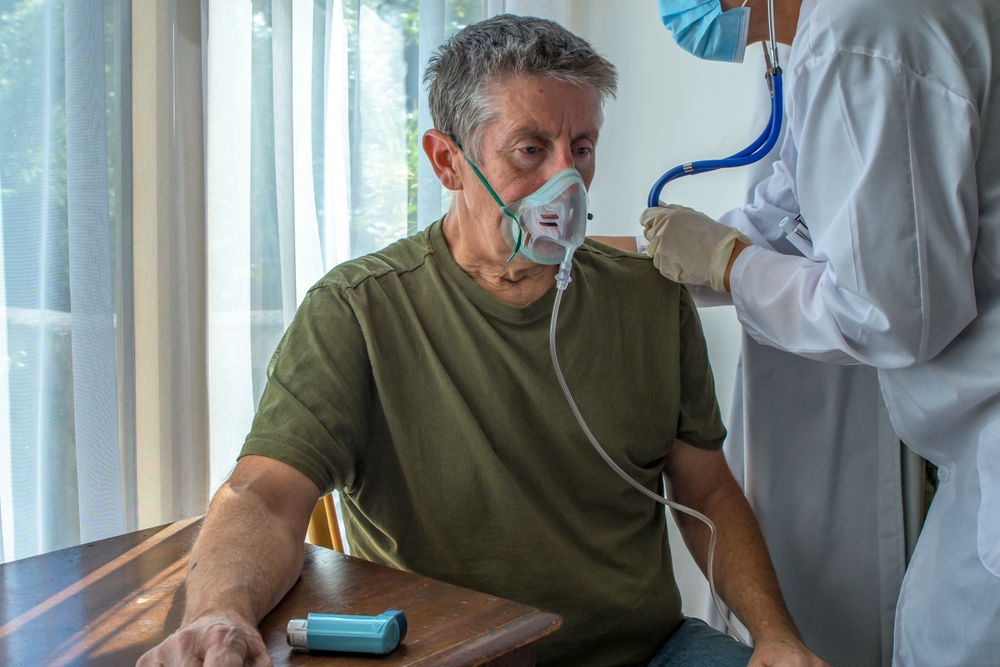
Chronic Obstructive Pulmonary Disease (COPD) is one of the most common chronic illnesses affecting older adults. As the disease progresses, everyday activities like walking across the room, climbing stairs, preparing meals, or even getting dressed can become physically exhausting. For seniors, COPD often affects far more than the lungs—it can impact mobility, independence, emotional well-being, nutrition, sleep, and overall quality of life.
Fortunately, COPD can often be managed successfully with the right combination of medical care, lifestyle adjustments, medication management, caregiver support, and coordinated healthcare services. While there is no cure, many older adults continue to live active, fulfilling lives by following a personalized care plan that addresses both their respiratory health and their overall well-being.
Understanding the unique challenges of caring for older adults with COPD helps families, caregivers, and healthcare providers make informed decisions that improve comfort, reduce hospitalizations, and support healthy aging.
What Is COPD?
Chronic Obstructive Pulmonary Disease (COPD) is a progressive lung disease that makes it difficult to breathe because airflow becomes obstructed.
COPD is an umbrella term that includes two primary conditions:
- Chronic bronchitis
- Emphysema
Many people have features of both diseases simultaneously.
Over time, inflammation, mucus production, and damage to the air sacs reduce the lungs’ ability to exchange oxygen efficiently. As a result, breathing requires significantly more effort.
COPD develops gradually, often over many years, and symptoms typically worsen without appropriate treatment and ongoing management.
Why COPD Is More Common in Older Adults
Although COPD can develop earlier in life, it is most frequently diagnosed in adults over age 65.
Several factors contribute to this increased risk, including:
- Long-term cigarette smoking
- Previous exposure to secondhand smoke
- Air pollution
- Occupational exposure to dust, chemicals, or fumes
- Aging-related decline in lung function
- A history of respiratory infections
- Genetic factors, such as Alpha-1 Antitrypsin Deficiency
As people age, the lungs naturally become less elastic, making respiratory illnesses more challenging to manage.
Common Symptoms of COPD in Seniors
Symptoms often develop slowly and may initially be mistaken for normal aging.
Common signs include:
- Persistent cough
- Excess mucus production
- Wheezing
- Shortness of breath
- Chest tightness
- Fatigue
- Reduced exercise tolerance
- Frequent respiratory infections
As COPD advances, even simple daily activities may leave seniors feeling breathless.
Many older adults begin limiting their activity to avoid shortness of breath, which unfortunately contributes to muscle weakness and further declines in physical function.
Understanding COPD Exacerbations
One of the biggest challenges in caring for older adults with COPD is preventing exacerbations, also known as flare-ups.
A COPD exacerbation is a sudden worsening of symptoms that may require emergency treatment or hospitalization.
Common triggers include:
- Viral infections
- Pneumonia
- Influenza
- COVID-19
- Air pollution
- Smoke exposure
- Allergens
- Missing medications
Symptoms of a flare-up may include:
- Increased shortness of breath
- More frequent coughing
- Increased mucus production
- Changes in mucus color
- Fever
- Fatigue
- Difficulty speaking due to breathlessness
Prompt treatment often prevents more serious complications.
How COPD Affects Daily Life
COPD affects nearly every aspect of a senior’s daily routine.
Tasks that once seemed simple can become physically demanding, including:
- Bathing
- Dressing
- Cooking
- Cleaning
- Grocery shopping
- Walking
- Sleeping
- Socializing
Over time, many seniors begin avoiding activities they once enjoyed because they fear becoming short of breath.
Without intervention, this cycle often leads to physical deconditioning, social isolation, depression, and declining independence.
Goals of COPD Care for Older Adults
Managing COPD isn’t simply about improving lung function.
Effective care focuses on helping seniors:
- Breathe more comfortably
- Stay physically active
- Prevent flare-ups
- Reduce hospitalizations
- Maintain independence
- Improve quality of life
- Manage other chronic conditions
- Support emotional well-being
Every treatment plan should be individualized based on the person’s health status, lifestyle, and personal goals.
Medications Used to Treat COPD
Several medications help control COPD symptoms and reduce flare-ups.
These may include:
Bronchodilators
These medications relax the muscles surrounding the airways, making breathing easier.
They may be short-acting for quick relief or long-acting for daily symptom control.
Inhaled Corticosteroids
These reduce inflammation in the airways and may be recommended for people with frequent exacerbations.
Combination Inhalers
Many seniors use inhalers that combine multiple medications into one device for greater convenience and effectiveness.
Oral Medications
Some patients benefit from oral medications that reduce inflammation or improve airflow.
Oxygen Therapy
For seniors with low oxygen levels, supplemental oxygen helps maintain adequate oxygen throughout the body and may improve energy, sleep quality, and daily function.
Medication Management Is Essential
Many older adults with COPD also manage heart disease, diabetes, arthritis, or other chronic illnesses.
Taking multiple medications increases the risk of:
- Missed doses
- Incorrect inhaler technique
- Drug interactions
- Duplicate medications
- Side effects
Medication management plays a critical role in successful COPD care by ensuring medications are taken correctly and consistently.
Healthcare providers should regularly review medications to determine whether adjustments are needed.
Proper Inhaler Technique Matters
Even the most effective medication cannot work properly if an inhaler is used incorrectly.
Older adults may struggle with:
- Weak hand strength
- Arthritis
- Vision problems
- Memory loss
- Coordination issues
Healthcare providers should routinely observe inhaler technique and provide ongoing education when necessary.
Sometimes changing to a different inhaler device improves medication delivery significantly.
Pulmonary Rehabilitation
Pulmonary rehabilitation is one of the most beneficial treatments for many seniors living with COPD.
These structured programs combine:
- Supervised exercise
- Breathing techniques
- Nutrition counseling
- Education
- Energy conservation strategies
- Emotional support
Pulmonary rehabilitation often helps seniors improve endurance, reduce symptoms, and regain confidence in daily activities.
Nutrition and COPD
Breathing requires considerably more energy for someone living with COPD.
Many seniors unintentionally lose weight because eating becomes exhausting.
Others gain weight due to inactivity, making breathing even more difficult.
Healthy nutrition should include:
- Lean proteins
- Fruits and vegetables
- Whole grains
- Healthy fats
- Adequate hydration
Some people benefit from eating several smaller meals throughout the day instead of three large meals that can make breathing more difficult.
Staying Physically Active
Although exercise may seem intimidating, regular movement is one of the best ways to manage COPD.
Appropriate activities may include:
- Walking
- Chair exercises
- Light strength training
- Stretching
- Tai Chi
- Water exercise
Physical activity strengthens muscles, improves endurance, and reduces shortness of breath during everyday activities.
Exercise programs should always match the individual’s abilities and medical condition.
Breathing Techniques That Help
Simple breathing exercises often make daily activities easier.
Helpful techniques include:
Pursed-Lip Breathing
Breathing in through the nose and slowly exhaling through pursed lips helps keep airways open longer and improves airflow.
Diaphragmatic Breathing
Also called belly breathing, this technique encourages the diaphragm to do more of the work, reducing strain on accessory breathing muscles.
These strategies become especially helpful during physical activity or periods of increased breathlessness.
Preventing Respiratory Infections
Respiratory infections are a leading cause of COPD flare-ups.
Older adults should take steps to reduce infection risk by:
- Washing hands frequently
- Avoiding exposure to sick individuals
- Staying current on recommended vaccinations
- Managing chronic conditions
- Following medication schedules
- Maintaining good nutrition
- Practicing good oral hygiene
Early treatment of respiratory infections can often prevent hospitalization.
Managing Other Chronic Conditions
COPD rarely exists alone.
Many seniors also live with:
- Heart disease
- High blood pressure
- Diabetes
- Osteoporosis
- Anxiety
- Depression
- Chronic kidney disease
Managing these conditions together is essential because they often influence one another.
Coordinated care helps ensure treatment plans work together instead of creating unnecessary complications.
Mental Health and COPD
Living with chronic shortness of breath can be emotionally exhausting.
Many older adults experience:
- Anxiety
- Depression
- Fear of leaving home
- Social withdrawal
- Loss of confidence
Behavioral health support can be an important part of COPD management.
Counseling, coping strategies, caregiver education, and emotional support help seniors maintain a higher quality of life while managing a chronic illness.
How Primary Care Supports COPD Management
Primary senior care serves as the foundation for long-term COPD management.
Primary care providers help by:
- Monitoring lung health
- Reviewing medications
- Managing chronic diseases
- Coordinating specialty referrals
- Ordering diagnostic testing
- Monitoring oxygen needs
- Identifying early signs of exacerbations
Regular follow-up visits often prevent small problems from becoming medical emergencies.
The Role of Nurse Case Management
COPD often requires input from multiple healthcare providers.
Nurse case management helps coordinate care among:
- Primary care providers
- Pulmonologists
- Home health professionals
- Respiratory therapists
- Physical therapists
- Pharmacies
- Family caregivers
Nurse case managers also help seniors:
- Understand treatment plans
- Manage medications
- Schedule appointments
- Navigate healthcare services
- Identify barriers to care
- Reduce avoidable hospital admissions
For older adults with complex medical needs, coordinated care can significantly improve long-term outcomes.
In-Home Care for Seniors With COPD
Many older adults prefer receiving care in the comfort of their own homes.
In-home care can support seniors by helping with:
- Daily activities
- Medication reminders
- Meal preparation
- Mobility assistance
- Fall prevention
- Oxygen equipment monitoring
- Caregiver respite
- Health monitoring
Remaining at home while receiving appropriate support often improves both comfort and independence.
Telemedicine Makes COPD Monitoring Easier
Telemedicine has become an important resource for seniors with chronic respiratory conditions.
Virtual appointments allow healthcare providers to:
- Review symptoms
- Monitor treatment progress
- Evaluate medication effectiveness
- Review home oxygen use
- Address concerns quickly
- Reduce unnecessary travel
For seniors who become easily short of breath, virtual visits can make routine follow-up significantly more convenient.
Supporting Family Caregivers
Family caregivers often become essential partners in COPD care.
They frequently assist with:
- Medication management
- Transportation
- Oxygen equipment
- Appointment scheduling
- Meal preparation
- Monitoring symptoms
- Emotional support
Caregivers should also prioritize their own physical and emotional health to prevent burnout.
Education and coordinated support help caregivers feel more confident while improving outcomes for the older adult.
When to Seek Immediate Medical Care
COPD symptoms can worsen quickly.
Emergency medical attention should be sought if an older adult experiences:
- Severe shortness of breath that does not improve
- Blue lips or fingertips
- Chest pain
- Confusion
- Difficulty speaking because of breathlessness
- High fever with worsening respiratory symptoms
- Loss of consciousness
Recognizing these warning signs early can be lifesaving.
Why Comprehensive COPD Care Matters
Successfully caring for older adults with COPD requires more than treating lung disease alone. It involves managing medications, preventing complications, supporting emotional health, coordinating multiple healthcare providers, and helping seniors remain as active and independent as possible.
Comprehensive care that combines primary senior care, behavioral health services, nurse case management, medication management, chronic condition management, coordinated care, telemedicine, caregiver support, and in-home care creates a personalized approach that addresses every aspect of living with COPD.
Reach out to our care team to learn more about how we can help. 1-888-982-8594 or click here to contact us online.
By focusing on the whole person instead of the diagnosis alone, seniors can breathe easier, reduce hospital visits, maintain independence, and enjoy a higher quality of life.
Frequently Asked Questions
What is COPD?
COPD, or Chronic Obstructive Pulmonary Disease, is a progressive lung disease that limits airflow and makes breathing increasingly difficult. It most commonly includes chronic bronchitis and emphysema.
Can older adults live well with COPD?
Yes. Although COPD is a chronic condition, many older adults live active and fulfilling lives by following treatment plans, taking medications correctly, exercising safely, eating a healthy diet, and receiving regular medical care.
What causes COPD flare-ups?
Common triggers include respiratory infections, exposure to smoke or pollution, allergens, missed medications, and changes in weather. Recognizing symptoms early and seeking prompt treatment can help prevent severe complications.
Does oxygen therapy cure COPD?
No. Oxygen therapy does not cure COPD, but it can improve oxygen levels, reduce symptoms, increase activity tolerance, and improve quality of life for seniors who have chronically low blood oxygen levels.
Is exercise safe for seniors with COPD?
In most cases, yes. Appropriate exercise helps strengthen muscles, improve endurance, reduce shortness of breath during daily activities, and support overall health. Exercise programs should always be tailored to the individual’s abilities and medical condition.
How does nurse case management help seniors with COPD?
Nurse case managers coordinate care between healthcare providers, review medications, educate patients and caregivers, arrange services, monitor treatment plans, and help reduce unnecessary hospitalizations through proactive care management.
What role does behavioral health play in COPD management?
Living with COPD can increase the risk of anxiety, depression, and social isolation. Behavioral health services provide emotional support, coping strategies, and counseling that help seniors better manage the psychological challenges associated with chronic respiratory disease.
How does Seniority Healthcare support older adults with COPD?
Seniority Healthcare offers an integrated approach through primary senior care, behavioral support, nurse case management, chronic condition management, medication management, coordinated care, telemedicine, caregiver support, and in-home care. This comprehensive model helps older adults manage COPD more effectively while promoting independence, reducing complications, and improving overall quality of life.
