
Diabetes Management for Seniors: A Complete Guide to Healthy Aging with Diabetes
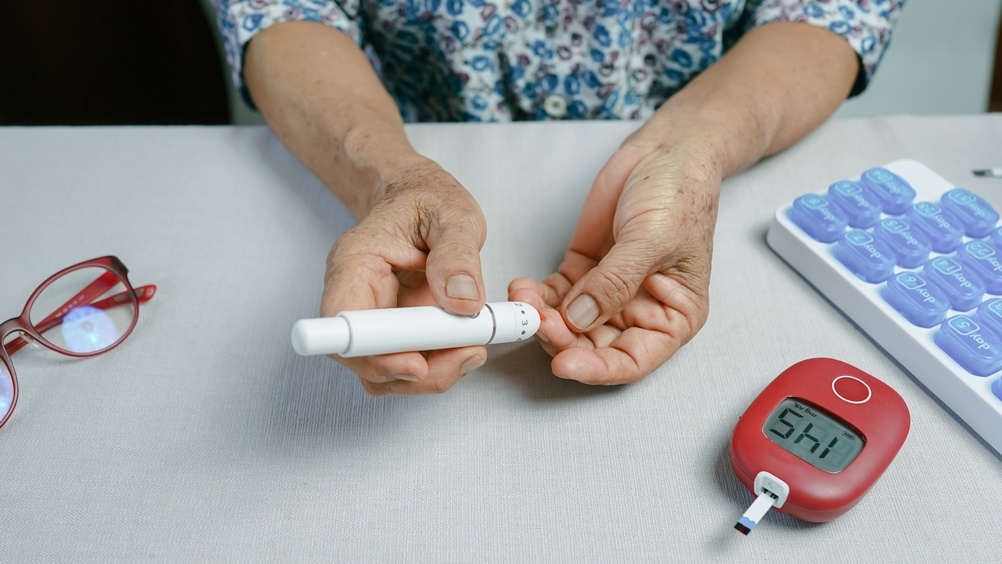
Diabetes becomes increasingly complex to manage with age. While many older adults live full and active lives with diabetes, changes in metabolism, mobility, medication needs, cognitive function, and overall health can create new challenges that require specialized attention.
Effective diabetes management for seniors goes beyond blood sugar monitoring. It involves coordinated medical care, personalized treatment plans, nutrition, medication management, behavioral support, and ongoing monitoring for complications. When diabetes is managed proactively, older adults can maintain their independence, reduce hospitalizations, and improve their overall quality of life.
Whether a senior has recently been diagnosed or has been living with diabetes for years, understanding how aging affects diabetes management is essential for achieving the best possible outcomes.
Understanding Diabetes in Older Adults
Diabetes is a chronic condition that affects how the body processes glucose, commonly known as blood sugar. While both Type 1 and Type 2 diabetes can occur in older adults, Type 2 diabetes is significantly more common among seniors.
As people age, several factors can contribute to elevated blood sugar levels, including:
- Reduced insulin sensitivity
- Decreased physical activity
- Weight gain
- Changes in muscle mass
- Certain medications
- Chronic health conditions
- Genetic predisposition
Many seniors are also managing multiple medical conditions simultaneously, making diabetes care more complex than it is for younger individuals.
Why Diabetes Management Changes with Age
Aging affects nearly every system in the body. Kidney function, liver function, digestion, circulation, vision, and cognitive abilities can all influence diabetes management.
Older adults are often at greater risk for:
- Hypoglycemia (low blood sugar)
- Medication interactions
- Falls related to blood sugar fluctuations
- Cardiovascular disease
- Kidney disease
- Nerve damage
- Vision problems
- Hospitalizations
Because of these risks, diabetes treatment goals for seniors are often individualized rather than based on a one-size-fits-all approach.
Common Symptoms of Diabetes in Seniors
Some symptoms of diabetes may be mistaken for normal aging, causing delays in diagnosis or treatment.
Signs that may indicate poorly controlled diabetes include:
- Increased thirst
- Frequent urination
- Fatigue
- Blurred vision
- Slow wound healing
- Frequent infections
- Unexplained weight loss
- Increased hunger
- Numbness or tingling in the hands and feet
- Confusion or difficulty concentrating
Recognizing these symptoms early can help prevent serious complications.
Setting Realistic Blood Sugar Goals
One of the most important aspects of diabetes management for seniors is establishing appropriate blood sugar targets.
For younger adults, strict glucose control may be recommended. However, older adults often have different priorities, including maintaining independence, avoiding hypoglycemia, and preserving quality of life.
Healthcare providers typically consider factors such as:
- Overall health status
- Life expectancy
- Existing complications
- Cognitive function
- Mobility level
- Risk of falls
- Other chronic conditions
Personalized treatment plans help balance safety and effective blood sugar control.
The Role of Primary Senior Care in Diabetes Management
Successful diabetes care starts with comprehensive primary senior care.
Regular visits with a primary care provider allow for ongoing monitoring, early intervention, and coordination among specialists. Because diabetes affects multiple body systems, consistent medical oversight is critical.
Primary senior care can help:
- Monitor blood glucose trends
- Evaluate medication effectiveness
- Screen for complications
- Coordinate referrals
- Manage coexisting conditions
- Adjust treatment plans as health needs change
Having a dedicated healthcare team often leads to better long-term outcomes.
Nutrition Strategies for Managing Diabetes
Healthy eating remains one of the most powerful tools for controlling blood sugar.
For seniors, nutrition plans should focus on balance, sustainability, and meeting individual health needs rather than restrictive dieting.
Key Nutrition Principles
A diabetes-friendly meal plan often includes:
- Lean proteins
- Non-starchy vegetables
- Whole grains
- Healthy fats
- High-fiber foods
- Controlled carbohydrate portions
Examples include:
- Grilled chicken with vegetables
- Salmon and brown rice
- Greek yogurt with berries
- Vegetable omelets
- Mixed green salads with protein
Hydration is equally important, as dehydration can worsen blood sugar fluctuations.
Addressing Appetite Changes
Many seniors experience reduced appetite, dental issues, medication side effects, or difficulty preparing meals.
In these situations, healthcare providers may recommend:
- Smaller, more frequent meals
- Nutrient-dense foods
- Meal planning support
- In-home care assistance
- Nutritional counseling
Maintaining adequate nutrition is essential for diabetes control and overall health.
Medication Management for Seniors with Diabetes
Medication management becomes increasingly important as seniors often take multiple prescriptions.
Common diabetes medications may include:
- Metformin
- Insulin
- GLP-1 receptor agonists
- SGLT2 inhibitors
- Sulfonylureas
Medication errors can lead to serious complications, including dangerous blood sugar fluctuations.
Reducing Medication Risks
Medication management services can help by:
- Reviewing prescriptions regularly
- Monitoring side effects
- Identifying drug interactions
- Simplifying medication schedules
- Improving adherence
Routine medication reviews help ensure treatments remain both effective and safe.
Preventing Diabetes-Related Complications
Long-term diabetes can affect nearly every organ system if blood sugar remains uncontrolled.
Cardiovascular Disease
Diabetes significantly increases the risk of:
- Heart attack
- Stroke
- High blood pressure
- Peripheral artery disease
Managing cholesterol, blood pressure, and blood sugar together is critical.
Kidney Disease
The kidneys can become damaged over time due to elevated blood sugar levels.
Regular monitoring of kidney function allows providers to identify problems early and adjust treatment plans accordingly.
Diabetic Neuropathy
Nerve damage may cause:
- Numbness
- Tingling
- Burning sensations
- Loss of sensation in the feet
Proper foot care becomes especially important for seniors with neuropathy.
Vision Problems
Diabetic retinopathy and other eye conditions can threaten vision if left untreated.
Annual eye exams should be a routine part of diabetes management.
The Importance of Physical Activity
Exercise remains one of the most effective ways to improve blood sugar control.
Regular movement helps:
- Increase insulin sensitivity
- Improve circulation
- Strengthen muscles
- Support cardiovascular health
- Enhance mood
- Maintain mobility
Safe Exercise Options for Seniors
Activities may include:
- Walking
- Chair exercises
- Water aerobics
- Resistance band training
- Tai Chi
- Stretching programs
Physical activity plans should always align with a senior’s health status and physical abilities.
Behavioral Health and Diabetes Management
Managing diabetes requires daily decision-making and ongoing self-care, which can sometimes feel overwhelming.
Older adults with diabetes may experience:
- Anxiety
- Depression
- Stress
- Diabetes burnout
- Social isolation
Behavioral health support plays an important role in helping seniors navigate these challenges.
Mental and emotional well-being often has a direct impact on medication adherence, nutrition choices, and overall diabetes management.
Providing emotional support can improve both quality of life and health outcomes.
Coordinated Care for Complex Health Needs
Many seniors with diabetes also manage conditions such as:
- Heart disease
- Arthritis
- Chronic kidney disease
- COPD
- Dementia
- Hypertension
When multiple providers are involved, coordinated care becomes essential.
Benefits of coordinated care include:
- Better communication among providers
- Reduced treatment conflicts
- Improved medication oversight
- Fewer hospitalizations
- More personalized care plans
Nurse case management can help families navigate complex healthcare needs while ensuring continuity of care.
Telemedicine and Diabetes Monitoring
Technology has made diabetes management more convenient for many seniors.
Telemedicine services can support:
- Routine follow-up appointments
- Medication reviews
- Blood sugar monitoring discussions
- Chronic disease management
- Caregiver consultations
Virtual care often improves access to healthcare, particularly for seniors with mobility challenges or transportation barriers.
How In-Home Care Supports Diabetes Management
Many seniors require assistance with daily diabetes-related tasks.
In-home care services can provide support with:
- Meal preparation
- Medication reminders
- Blood sugar monitoring
- Mobility assistance
- Appointment coordination
- Personal care
This additional layer of support can help seniors remain safely in their homes while maintaining effective diabetes management.
When Palliative Care May Be Appropriate
For seniors living with advanced illness alongside diabetes, palliative care can provide valuable support.
Palliative care focuses on:
- Symptom management
- Pain relief
- Comfort
- Emotional support
- Family guidance
- Quality of life
The goal is to help seniors live as comfortably and independently as possible while managing complex health conditions.
Supporting Family Caregivers
Family caregivers are often heavily involved in diabetes management.
Responsibilities may include:
- Medication administration
- Blood sugar monitoring
- Meal planning
- Appointment scheduling
- Transportation
- Daily support
Caregiver support services can help reduce stress, prevent burnout, and improve care outcomes for everyone involved.
If you or a loved one needs help with primary senior care, behavioral support, or nurse case management, we can help. We accept many different insurances, including Medicare. Give our care team a call today at 1-888-982-8594 or reach us online here.
Frequently Asked Questions About Diabetes Management for Seniors
What is the best way to manage diabetes in older adults?
The most effective approach combines regular medical care, healthy nutrition, medication management, physical activity, blood sugar monitoring, and ongoing support from healthcare professionals.
Why are seniors at higher risk for diabetes complications?
Aging often brings additional health conditions, reduced kidney function, medication interactions, and physical limitations that can make diabetes more difficult to manage.
What blood sugar level should seniors aim for?
Blood sugar goals vary based on overall health, age, medical history, and risk factors. A healthcare provider can establish personalized targets that balance safety and effective glucose control.
How often should seniors check their blood sugar?
The frequency depends on the individual’s treatment plan, medications, and diabetes type. Some seniors may need daily monitoring, while others may require less frequent checks.
Can diabetes increase the risk of falls?
Yes. Both high and low blood sugar can contribute to dizziness, weakness, confusion, and balance issues, increasing fall risk.
How does diabetes affect mental health?
Living with a chronic condition can contribute to stress, anxiety, depression, and emotional fatigue. Behavioral health support can help seniors manage these challenges effectively.
What role does primary senior care play in diabetes management?
Primary senior care provides ongoing monitoring, medication oversight, chronic disease management, preventive screenings, and care coordination that are essential for long-term diabetes control.
Can seniors with diabetes receive care at home?
Yes. In-home care services can assist with medication reminders, meal preparation, blood sugar monitoring, mobility support, and daily living activities while helping seniors remain independent.
