
Why More Families Are Choosing In-Home Primary Care for Aging Parents
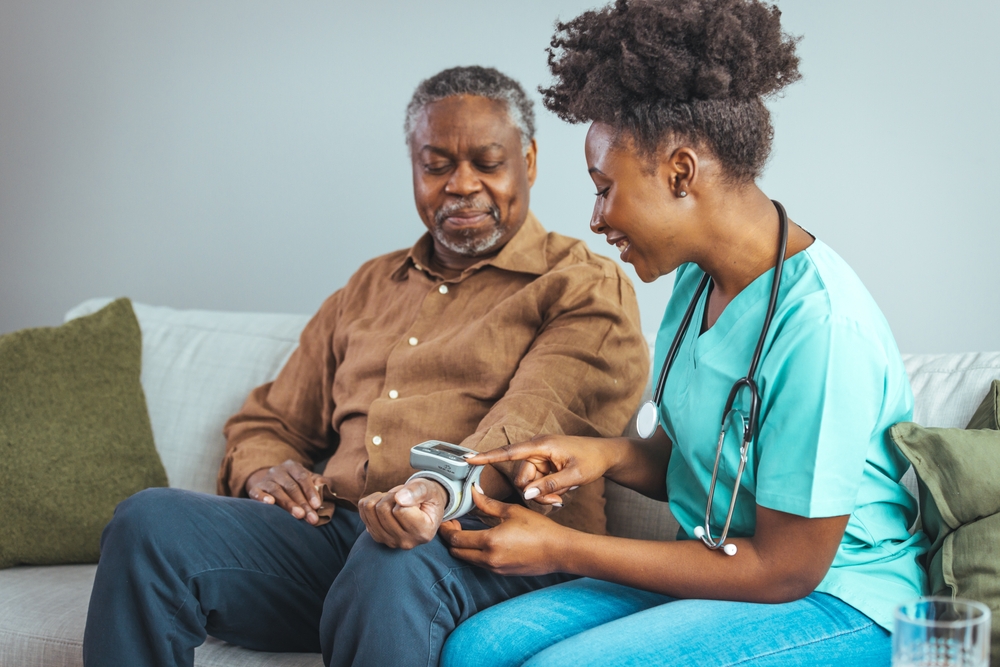
As the senior population continues to grow, so does the need for healthcare that is more accessible, personalized, and centered around the unique challenges older adults face. Traditional office visits have long been the standard for primary care, but for many seniors, traveling to appointments can become physically exhausting, emotionally stressful, and even medically risky.
That is why in-home primary care has become one of the most impactful advancements in senior healthcare. Instead of requiring older adults to navigate transportation, waiting rooms, and multiple specialists, healthcare providers bring comprehensive primary care directly into the home. This approach improves continuity of care, allows providers to better understand a patient’s living environment, and creates opportunities to identify health concerns before they become serious emergencies.
For seniors managing chronic illnesses, mobility limitations, cognitive decline, or multiple medications, in-home primary care is more than a convenience—it is a healthcare model designed to improve outcomes while helping older adults remain safely and comfortably in their own homes.
What Is In-Home Primary Care?
In-home primary care is a healthcare service in which medical providers deliver comprehensive primary care services in a patient’s home instead of a traditional medical office.
These visits often include:
- Comprehensive health assessments
- Preventive care
- Chronic disease management
- Medication management
- Routine physical examinations
- Health screenings
- Coordination with specialists
- Lab orders and diagnostic testing
- Care planning
- Family caregiver education
Unlike urgent care or emergency home visits, in-home primary care focuses on building long-term relationships between providers and patients while proactively managing health over time.
The goal is to prevent illness, reduce hospitalizations, and improve overall quality of life.
Why Traditional Healthcare Can Be Challenging for Seniors
For many older adults, getting to a doctor’s appointment is no longer a simple task.
Common obstacles include:
- Limited mobility
- Driving restrictions
- Lack of transportation
- Struggle with falling and balance
- Chronic pain
- Balance problems
- Cognitive impairment
- Fatigue
- Dependence on family caregivers
Even when transportation is available, the experience can be overwhelming. Seniors may spend far more time traveling, waiting, and checking in than actually speaking with their healthcare provider.
Missed appointments often become more common as these challenges increase, delaying treatment and allowing manageable health conditions to worsen.
In-home primary care removes many of these barriers entirely.
The Benefits of Receiving Primary Care at Home
Providing healthcare in a familiar environment changes the patient experience in meaningful ways.
Instead of adapting to the healthcare system, the healthcare system adapts to the patient.
Some of the most significant benefits include:
- Improved access to medical care
- Reduced stress and anxiety
- Better chronic disease management
- Fewer emergency room visits
- Lower hospitalization rates
- Improved medication adherence
- Enhanced communication with providers
- Greater patient comfort
- Increased independence
- Better caregiver involvement
These advantages often lead to healthier seniors who experience greater confidence managing their daily lives.
Personalized Care That Goes Beyond the Examination Room
One of the greatest strengths of in-home primary care is the ability to evaluate a patient’s overall living environment.
During a home visit, providers can observe factors that are impossible to identify during a traditional office appointment.
For example, they may notice:
- Fall hazards
- Poor lighting
- Unsafe stairs
- Limited food supplies
- Medication storage issues
- Signs of dehydration
- Difficulty moving through the home
- Caregiver challenges
These observations help providers develop care plans that are realistic and tailored to each patient’s daily life rather than relying solely on medical records.
Better Management of Chronic Health Conditions
Many seniors live with multiple chronic illnesses that require ongoing monitoring and adjustments.
Common conditions include:
- Diabetes
- Heart disease
- High blood pressure
- Chronic obstructive pulmonary disease (COPD)
- Arthritis
- Kidney disease
- Osteoporosis
- Parkinson’s disease
Managing several conditions simultaneously can quickly become overwhelming.
In-home primary care allows providers to regularly assess symptoms, review medications, monitor progress, and identify warning signs before complications develop.
This proactive approach often prevents avoidable hospital admissions while helping patients maintain greater stability.
Medication Management Becomes Safer and More Effective
Medication errors are one of the leading causes of preventable health complications among older adults.
Many seniors take multiple prescriptions prescribed by different specialists.
Without careful oversight, problems can arise such as:
- Duplicate medications
- Drug interactions
- Incorrect dosages
- Missed medications
- Expired prescriptions
During home visits, providers can physically review every medication in the home.
This process allows them to:
- Verify prescriptions
- Eliminate unnecessary medications
- Simplify schedules
- Educate patients
- Improve adherence
Medication management becomes significantly more accurate when providers can see exactly what patients are taking rather than relying solely on memory.
Supporting Healthy Aging Through Preventive Care
Preventive healthcare is one of the foundations of successful aging.
Rather than treating illness after it develops, preventive care focuses on maintaining health and identifying problems early.
Routine in-home visits may include:
- Blood pressure monitoring
- Diabetes screenings
- Vaccination reviews
- Nutritional assessments
- Weight monitoring
- Cognitive evaluations
- Depression screenings
- Fall risk assessments
Addressing small concerns early often prevents more serious medical issues later.
Reducing Hospitalizations and Emergency Room Visits
Emergency departments play an important role in healthcare, but many senior hospitalizations begin with health problems that could have been addressed earlier.
In-home primary care encourages continuous monitoring instead of reactive treatment.
Providers can identify early warning signs such as:
- Fluid retention
- Changes in breathing
- Elevated blood pressure
- Medication side effects
- Cognitive decline
- Weight fluctuations
Early intervention frequently prevents these issues from becoming medical emergencies.
For seniors with chronic illnesses, this continuity of care can significantly improve long-term health outcomes.
Improving Communication Between Patients and Providers
Traditional appointments are often limited by time.
Patients may feel rushed or forget important questions.
Home visits create a more relaxed environment where meaningful conversations naturally occur.
Providers can spend additional time discussing:
- Symptoms
- Lifestyle changes
- Nutrition
- Exercise
- Medication concerns
- Emotional well-being
- Family questions
This stronger communication builds trust while encouraging patients to become active participants in their own healthcare.
Helping Seniors Maintain Independence
Most older adults share one common goal: remaining in their own homes for as long as possible.
In-home primary care supports this goal by helping seniors maintain their physical health while identifying barriers to independent living.
Providers may recommend:
- Home safety modifications
- Physical therapy
- Mobility aids
- Occupational therapy
- Nutritional support
- Exercise programs
- Caregiver assistance
Addressing these issues early helps reduce falls and preserve independence.
The Important Role of Care Coordination
Senior healthcare often involves multiple professionals.
A patient may have:
- A primary care provider
- Cardiologist
- Neurologist
- Physical therapist
- Behavioral health provider
- Home health nurse
- Pharmacist
Without coordination, important information can easily be overlooked.
Coordinated care helps ensure every provider understands the patient’s overall treatment plan.
This collaboration reduces duplicate testing, conflicting medications, and unnecessary healthcare costs while improving continuity of care.
Behavioral Health Is an Essential Part of Senior Care
Physical health cannot be separated from emotional well-being.
Many seniors experience:
- Depression
- Anxiety
- Grief
- Loneliness
- Social isolation
- Memory concerns
Behavioral support services integrated into primary care help identify these issues before they significantly affect overall health.
Providers can recommend counseling, therapeutic interventions, caregiver resources, or additional support services that improve emotional wellness alongside physical health.
Family Caregivers Benefit Too
Family members often coordinate appointments, medications, transportation, and daily care.
These responsibilities can become overwhelming.
In-home primary care helps reduce caregiver stress by:
- Bringing healthcare into the home
- Improving communication
- Simplifying care plans
- Providing education
- Answering questions during visits
- Coordinating services
Caregivers gain confidence knowing healthcare professionals are actively monitoring their loved one’s condition.
Telemedicine Complements In-Home Care
While in-home visits remain the foundation of personalized care, telemedicine provides additional flexibility.
Virtual appointments are particularly useful for:
- Medication follow-ups
- Minor health concerns
- Reviewing test results
- Behavioral health visits
- Caregiver consultations
Combining in-home care with telemedicine allows seniors to receive timely support while reducing unnecessary travel.
Palliative Care Enhances Comfort and Quality of Life
Palliative care is often misunderstood as care provided only at the end of life.
In reality, it focuses on improving comfort and quality of life for individuals living with serious or chronic illnesses.
When integrated with primary care, palliative care can help manage:
- Chronic pain
- Shortness of breath
- Fatigue
- Sleep disturbances
- Anxiety
- Emotional distress
This whole-person approach allows seniors to continue receiving comprehensive medical care while improving their day-to-day comfort.
Who Benefits Most from In-Home Primary Care?
Although many older adults can benefit, certain individuals often see the greatest improvements.
These include seniors who:
- Have limited mobility
- Live with multiple chronic conditions
- Have recently been hospitalized
- Experience frequent falls
- Live with dementia or Alzheimer’s disease
- Take numerous medications
- Depend on family caregivers
- Have difficulty traveling to appointments
For these individuals, receiving care at home can dramatically improve healthcare access while reducing unnecessary stress.
What Happens During an In-Home Primary Care Visit?
Each visit is personalized, but providers commonly:
- Review current symptoms
- Perform physical examinations
- Monitor vital signs
- Evaluate medications
- Assess mobility
- Review nutrition
- Discuss mental health
- Update treatment plans
- Coordinate referrals
- Answer caregiver questions
Because providers are not limited to a brief office appointment, they often gain a more complete understanding of the patient’s overall health.
Common Myths About In-Home Primary Care
Myth: Home visits are only for seriously ill patients.
Reality: Many seniors receive in-home primary care to help maintain good health and prevent future complications.
Myth: Home-based care replaces specialists.
Reality: Primary care providers coordinate with specialists to ensure comprehensive treatment.
Myth: Patients receive lower-quality care at home.
Reality: Many providers are able to deliver more personalized care because they observe the patient’s daily environment and spend more time during visits.
Myth: In-home care reduces independence.
Reality: The primary goal is to help seniors remain safely independent for as long as possible.
Choosing the Right In-Home Primary Care Provider
When selecting a senior care provider, families should consider:
- Experience caring for older adults
- Comprehensive primary care services
- Chronic condition management
- Medication management
- Behavioral health support
- Care coordination
- Availability of telemedicine
- Palliative care services
- Communication with family caregivers
An integrated care team can often provide a more complete healthcare experience than fragmented services from multiple unrelated providers.
Why Seniority Healthcare’s Approach Makes a Difference
Healthcare is most effective when every aspect of a senior’s well-being is considered together rather than separately.
By combining primary senior care with behavioral support, palliative care, medication management, coordinated care, nurse case management, telemedicine, caregiver support, chronic condition management, and in-home care, seniors receive comprehensive care that addresses both medical and personal needs.
This integrated approach allows providers to focus on prevention, early intervention, and improving quality of life while helping seniors remain comfortable and independent in the place they know best—their home.
The COMPASS Program (Collaborative Outpatient Management for Palliative and Aging Support Services) is a comprehensive, in-home medical care program designed for older adults living with multiple chronic or complex medical conditions.
Built specifically for medically high-risk seniors, COMPASS provides structured, proactive healthcare management focused on improving outcomes, reducing preventable hospitalizations, and supporting long-term stability — all in the comfort of home.
If you or a loved one would benefit from the COMPASS Program, reach out to our care team at 1-888-982-8594 or you can reach us online here.
Conclusion
In-home primary care is transforming the way seniors experience healthcare. Instead of navigating complicated healthcare systems and struggling to attend appointments, older adults receive personalized, comprehensive medical care in the comfort and familiarity of their own homes. This model improves access to care, strengthens relationships between providers and patients, enhances chronic disease management, and supports healthier aging through proactive, coordinated treatment.
For families, it provides peace of mind. For caregivers, it offers valuable support and guidance. Most importantly, for seniors, it creates an opportunity to age with greater dignity, independence, comfort, and confidence while receiving the high-quality healthcare they deserve.
Frequently Asked Questions
Is in-home primary care only for homebound seniors?
No. While many patients have mobility challenges, in-home primary care can benefit any senior who would receive more effective care in a home setting due to chronic health conditions, transportation difficulties, or complex medical needs.
What services are included with in-home primary care?
Services often include routine physical exams, preventive care, chronic disease management, medication management, health screenings, behavioral health support, care coordination, treatment planning, and referrals to specialists when needed.
Can in-home primary care help prevent hospitalizations?
Yes. Regular monitoring allows providers to identify health concerns early, adjust treatment plans promptly, and address medical issues before they require emergency care or hospitalization.
How does in-home primary care improve medication management?
Providers review every medication being taken, identify potential drug interactions, simplify medication schedules when possible, educate patients and caregivers, and ensure prescriptions remain appropriate as health needs change.
Does Medicare cover in-home primary care?
Coverage depends on eligibility, the services provided, and individual insurance plans. Many medically necessary primary care services delivered in the home may be covered, but patients should verify their specific benefits with their healthcare provider or insurance carrier.
How does behavioral support fit into primary senior care?
Behavioral support addresses emotional and mental health concerns such as depression, anxiety, grief, cognitive changes, and social isolation. Integrating behavioral health into primary care provides a more comprehensive approach that supports both physical and emotional well-being.
How does coordinated care benefit seniors?
Coordinated care ensures communication among primary care providers, specialists, nurses, caregivers, and other healthcare professionals. This collaboration reduces fragmented care, minimizes medication errors, avoids duplicate testing, and creates a more personalized treatment plan focused on the senior’s overall health.
