
Fall Prevention For Seniors: How to Reduce Risk, Improve Safety, and Support Independent Living at Home
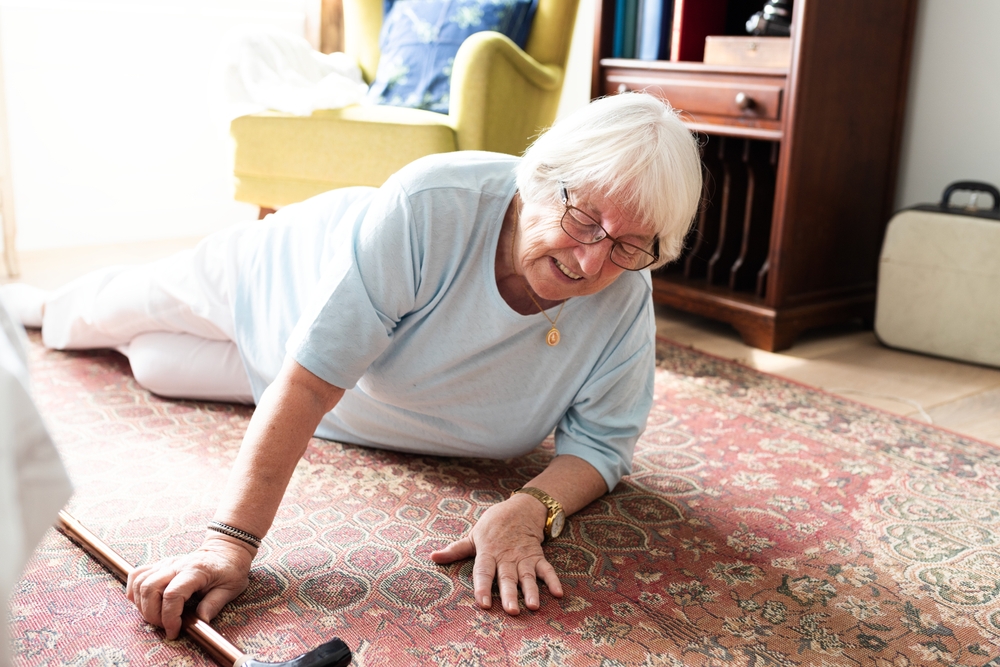
Falls don’t just happen—they build over time. A missed step, poor lighting, medication side effects, or a moment of dizziness can quickly turn into a serious injury. For older adults, a single fall can trigger a cascade of complications, from fractures and hospitalizations to long-term loss of independence.
Understanding Fall Prevention For Seniors means looking beyond obvious hazards. It requires a structured approach that addresses physical health, home safety, daily routines, and ongoing supervision.
When done correctly, fall prevention isn’t restrictive—it’s what allows seniors to remain safely in their homes with confidence.
Why Fall Prevention Matters More Than Most Families Realize
Falls are one of the leading causes of injury among older adults, but the real impact goes deeper than the initial incident.
A fall can lead to:
- Hospitalization and extended recovery periods
- Loss of mobility and independence
- Increased risk of future falls
- Fear of movement, leading to physical decline
In many cases, the consequences aren’t just physical—they’re psychological. Seniors who experience a fall often become more hesitant, less active, and increasingly dependent.
Preventing that first fall—or the next one—is critical.
What Causes Falls in Seniors?
Falls are rarely caused by a single factor. Most are the result of multiple overlapping risks.
Physical and Medical Factors
- Muscle weakness and reduced balance
- Chronic conditions such as arthritis, diabetes, or heart disease
- Vision impairment
- Side effects from medications
- Dizziness or low blood pressure
Environmental Risks in the Home
- Poor lighting in hallways or staircases
- Loose rugs or cluttered walkways
- Slippery bathroom surfaces
- Lack of handrails or grab bars
Behavioral and Lifestyle Factors
- Rushing or moving too quickly
- Wearing improper footwear
- Lack of regular physical activity
- Skipping meals or dehydration
Effective fall prevention requires addressing all of these areas—not just one.
The Core Strategy: Layered Fall Prevention
There’s no single fix that eliminates fall risk. The most effective approach is layered—combining environmental safety, physical support, and ongoing monitoring.
This is where structured in-home care models, like those used by Seniority Healthcare, create meaningful impact. By integrating care into daily routines, risk is reduced consistently—not just occasionally.
Key Strategies for Fall Prevention For Seniors
Strength, Balance, and Mobility Support
One of the most effective ways to reduce falls is to improve physical stability.
Even small improvements in strength and balance can significantly lower risk.
Recommended approaches:
- Light strength training exercises
- Balance-focused activities (such as standing exercises or guided movement routines)
- Supervised walking or mobility support
Consistency matters more than intensity. Regular movement builds stability over time.
Home Safety Modifications That Actually Work
The home environment plays a major role in fall risk. Small changes often produce immediate results.
High-impact safety improvements include:
- Installing grab bars in bathrooms and near toilets
- Adding non-slip mats in showers and tubs
- Improving lighting in hallways, staircases, and entryways
- Removing loose rugs and clutter
- Installing handrails on both sides of staircases
These adjustments are simple—but they address the most common environmental hazards.
Medication Review and Management
Certain medications can increase fall risk by causing:
- Dizziness
- Drowsiness
- Blood pressure fluctuations
This is especially true when multiple prescriptions are involved.
Regular medication reviews help:
- Identify high-risk medications
- Adjust dosages if needed
- Monitor side effects
Medication management is often overlooked, but it’s a critical component of fall prevention.
Vision and Hearing Support
Sensory decline plays a larger role in falls than many realize.
Poor vision can make it difficult to:
- Detect obstacles
- Navigate stairs safely
- Adjust to changes in lighting
Routine vision checks and updated prescriptions help seniors maintain spatial awareness.
Proper Footwear and Daily Habits
Footwear is one of the simplest—and most overlooked—factors.
Safer choices include:
- Non-slip soles
- Supportive, well-fitted shoes
- Avoiding loose slippers or socks on smooth floors
Combined with safe movement habits, this significantly reduces risk.
Hydration and Nutrition
Dehydration and poor nutrition can lead to:
- Weakness
- Dizziness
- Reduced coordination
Ensuring consistent meals and adequate hydration helps maintain physical stability.
Technology and Monitoring Tools
Modern fall prevention often includes technology that provides an added layer of protection.
Examples include:
- Fall detection devices
- Emergency alert systems
- Remote monitoring tools
These systems don’t prevent falls directly—but they ensure faster response when needed, reducing complications.
Daily Supervision and Support
One of the most effective—but often underestimated—strategies is simple observation.
Caregivers can identify:
- Changes in mobility
- Signs of weakness or fatigue
- Unsafe movement patterns
This allows for immediate adjustments before a fall occurs.
How In-Home Care Reduces Fall Risk
While families can implement many safety measures, consistent fall prevention requires structure.
Professional in-home care services, like Seniority Healthcare, integrate fall prevention into daily care through:
- Personalized care plans based on risk level
- Ongoing monitoring of mobility and health changes
- Assistance with daily activities
- Medication oversight
- Home safety assessments
This transforms fall prevention from a one-time checklist into an ongoing system.
Real-World Example: The Difference Prevention Makes
Consider a senior living alone with mild mobility challenges.
Without intervention:
- Lighting remains poor in key areas
- Medications cause occasional dizziness
- No one notices subtle balance changes
- A fall occurs, leading to hospitalization
With a structured approach:
- Home safety improvements are implemented
- Medications are reviewed and adjusted
- Daily support ensures safe movement
- Early warning signs are addressed
The risk doesn’t just decrease—it’s actively managed.
How to Build a Fall Prevention Plan
Step 1: Assess Risk Factors
Evaluate:
- Mobility and balance
- Medical conditions
- Medication complexity
- Home environment
Step 2: Address Immediate Hazards
Focus on quick improvements:
- Remove tripping hazards
- Improve lighting
- Install safety equipment
Step 3: Introduce Daily Support
- Assistance with movement and routines
- Monitoring for changes in health or behavior
Step 4: Add Ongoing Oversight
- Regular health monitoring
- Medication management
- Care coordination
Step 5: Reassess Regularly
Fall risk changes over time. Continuous evaluation ensures the plan stays effective.
Common Mistakes That Increase Fall Risk
Even well-meaning families can unintentionally increase risk.
Avoid these:
- Assuming “it won’t happen again” after a near fall
- Ignoring medication side effects
- Delaying home safety improvements
- Underestimating the importance of supervision
- Focusing only on physical health while ignoring environmental risks
Fall prevention is proactive—not reactive.
Final Thoughts: Fall Prevention Is About Independence, Not Limitation
There’s a misconception that fall prevention restricts seniors. In reality, it does the opposite.
When risks are managed effectively, seniors:
- Move more confidently
- Maintain independence longer
- Avoid unnecessary hospitalizations
- Experience a higher quality of life
The goal isn’t to limit movement—it’s to make movement safer.
If you’re looking to prevent falls and ensure your loved one receives consistent, high-quality care, Seniority Healthcare is here to help.
We specialize in in-home senior care services across Pennsylvania, New York, New Jersey, and Delaware, combining personal support with clinical oversight to help prevent hospitalizations before they happen.
Whether you need immediate assistance or want to build a long-term care plan, our team can guide you through the process and create a solution tailored to your family’s needs.
Call us today to speak with a care specialist:
1-888-892-8594 or use this contact form.
Frequently Asked Questions About Fall Prevention For Seniors
What is the most effective way to prevent falls in seniors?
The most effective approach combines home safety modifications, strength and balance improvement, medication management, and consistent supervision or monitoring.
Why are seniors at higher risk for falls?
Seniors often experience reduced strength, balance issues, vision impairment, and medication side effects, all of which contribute to increased fall risk.
Can in-home care help prevent falls?
Yes. In-home care provides daily support, monitoring, and assistance with mobility, significantly reducing the likelihood of falls.
What are the most common causes of falls at home?
Common causes include poor lighting, cluttered walkways, slippery surfaces, medication side effects, and lack of mobility support.
How often should a home be evaluated for fall risks?
Homes should be evaluated initially and then reassessed regularly, especially after any change in health, mobility, or living conditions.
Do fall detection devices prevent falls?
They don’t prevent falls directly, but they ensure rapid response, which can reduce complications and improve outcomes after a fall.
What should you do after a senior experiences a fall?
Even if there’s no visible injury, a full assessment should be conducted to identify the cause and prevent future falls.
