
Senior Care Home Solutions: From Daily Support to Full Medical Care at Home
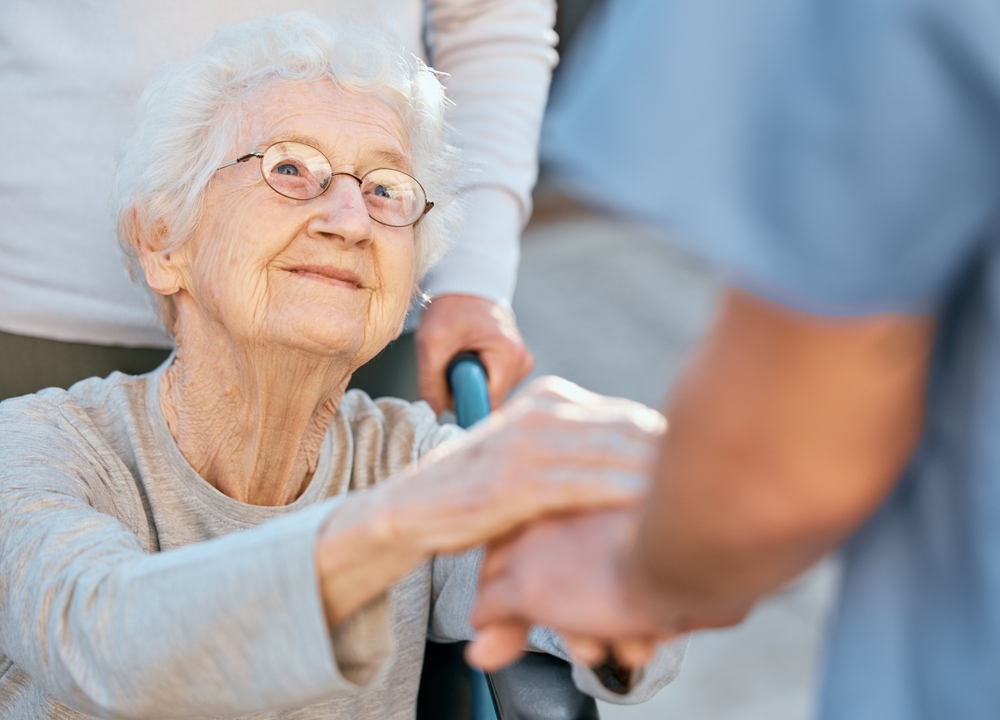
For many families, the goal isn’t just extending life—it’s preserving independence, dignity, and comfort. That’s where Senior Care Home Solutions come into focus. Rather than defaulting to institutional care, more families are building personalized, in-home care systems that allow aging adults to remain in familiar surroundings while receiving the support they need.
This shift isn’t just emotional—it’s strategic. Home-based care, when structured correctly, can improve outcomes, reduce hospitalizations, and provide a higher quality of life compared to fragmented or reactive care models.
Below is a comprehensive breakdown of how senior care home solutions actually work, what to include, and how to build a system that supports long-term aging in place.
What Are Senior Care Home Solutions?
Senior care home solutions refer to a coordinated approach to in-home support services, safety modifications, and medical oversight designed to help older adults live safely and comfortably in their own homes.
Unlike one-off services, effective home care solutions are layered. They combine:
- Senior primary care
- Medication management
- Senior care coordination
- Home safety adaptations
- Technology-enabled monitoring
- Emotional and social support
The goal is not just care—it’s continuity.
Why More Families Are Choosing In-Home Care
There’s been a measurable shift toward home-based care models over the past decade. The reasons are both practical and personal.
1. Familiar Environment Improves Outcomes
Remaining at home reduces confusion, especially for seniors with cognitive conditions. In-home senior care has many benefits, familiar surroundings often lead to:
- Lower anxiety levels
- Better adherence to routines
- Improved mental health
2. Personalized Care Plans
Institutional care operates on systems. Home care operates on individuals.
With tailored senior care home solutions, services are built around:
- Specific medical conditions
- Mobility limitations
- Lifestyle preferences
- Family involvement
3. Cost Efficiency Over Time
While hourly care costs can vary, many families find that structured in-home care—especially when paired with preventative care—can reduce:
- Emergency room visits
- Hospital readmissions
- Long-term facility costs
Core Components of Effective Senior Care Home Solutions
A successful home care strategy isn’t built on a single service—it’s an integrated system. Here’s what that typically includes.
In-Home Personal Care Services
This is the foundation. Personal care focuses on daily living activities that many seniors begin to struggle with over time.
Common services include:
- Bathing, grooming, and hygiene support
- Dressing assistance
- Meal preparation and feeding support
- Mobility assistance and fall prevention
- Light housekeeping
These services are essential for maintaining both health and dignity.
Medication Management and Health Monitoring
Medication errors are one of the leading causes of preventable hospitalizations in older adults.
Structured medication management ensures:
- Correct dosages
- Timely administration
- Monitoring for side effects or interactions
Many advanced senior care home solutions also include:
- Vital sign monitoring
- Chronic condition tracking (e.g., diabetes, heart disease)
- Coordination with primary care providers
This is where healthcare-driven models—like those used by companies such as Seniority Healthcare—create a significant advantage by integrating medical oversight into home care.
Care Coordination and Case Management
Care fragmentation is one of the biggest risks in senior healthcare. Multiple providers, specialists, and prescriptions can quickly become overwhelming.
Care coordination solves this by:
- Acting as a central point of communication
- Aligning treatment plans across providers
- Managing appointments and follow-ups
- Advocating for the patient
This layer transforms home care from reactive to proactive.
Home Safety Modifications
A safe home environment is non-negotiable. Falls are one of the leading causes of injury among seniors, but most are preventable with the right setup.
Key modifications include:
- Grab bars in bathrooms
- Walk-in showers or tubs
- Improved lighting in hallways and stairs
- Removal of tripping hazards
- Stair lifts or ramps when needed
Even small changes can significantly reduce risk.
Technology and Remote Monitoring
Technology is increasingly becoming a core part of modern senior care home solutions.
Examples include:
- Emergency response systems
- Fall detection devices
- Remote health monitoring tools
- Telehealth services for virtual doctor visits
Platforms like Teladoc have made it easier for seniors to access medical care without leaving home, reducing barriers to consistent treatment.
Companionship and Emotional Support
Isolation is a silent risk factor in senior health. Studies consistently show that loneliness can lead to:
- Cognitive decline
- Depression
- Increased mortality risk
Companionship services provide:
- Social interaction
- Mental stimulation
- Emotional reassurance
This is often overlooked—but it’s just as important as physical care.
Types of Senior Care Home Solutions Based on Needs
Not every senior requires the same level of care. The most effective solutions scale with the individual.
Independent Living Support
For seniors who are largely self-sufficient but need occasional assistance.
Typical services:
- Weekly housekeeping
- Meal prep support
- Transportation to appointments
Assisted In-Home Care
For seniors who need daily support but want to avoid assisted living facilities.
Includes:
- Personal care assistance
- Medication reminders
- Mobility support
Skilled Nursing and Medical Care at Home
For seniors with chronic conditions or post-hospital recovery needs.
Services may include:
- Wound care
- IV therapy
- Chronic disease management
- Telehealth consultations
This is where integrated care models—like those offered by providers such as Seniority Healthcare—become critical.
Memory Care at Home
For individuals living with dementia or Alzheimer’s disease.
Key elements:
- Structured routines
- Cognitive support activities
- Safety-focused home modifications
- Specialized caregiver training
How to Build the Right Senior Care Home Solution
There’s no one-size-fits-all approach. The most effective care plans are built methodically.
Step 1: Assess Current and Future Needs
Start with a comprehensive evaluation:
- Physical health
- Cognitive function
- Mobility limitations
- Social needs
Planning for future decline is just as important as addressing current conditions.
Step 2: Prioritize Safety First
Before layering services, ensure the home environment is safe. This reduces immediate risk and creates a stable foundation for care.
Step 3: Implement Core Support Services
Introduce:
- Personal care
- Medication management
- Basic health monitoring
These services address the most common risk factors early.
Step 4: Add Medical Oversight
As needs increase, integrate:
- Care coordination
- Nurse case management
- Telehealth support
This is where outcomes begin to improve significantly.
Step 5: Continuously Adjust the Plan
Senior care is dynamic. What works today may not work in six months.
Regular reassessment ensures:
- Care remains aligned with needs
- Resources are used efficiently
- The senior maintains the highest possible quality of life
The Role of Professional In-Home Care Providers
While some families attempt to manage care independently, the complexity often grows quickly.
Professional providers bring:
- Structured care models
- Trained caregivers and clinicians
- Integrated medical oversight
- Scalable solutions as needs evolve
Organizations like Seniority Healthcare focus on combining clinical care, coordination, and in-home support into a single system—eliminating gaps that often exist when services are fragmented across multiple providers.
Common Mistakes to Avoid
Even well-intentioned families can run into issues when building senior care home solutions.
Avoid these pitfalls:
- Waiting too long to implement care
- Relying on informal or untrained caregivers
- Overlooking medication management
- Ignoring home safety risks
- Failing to coordinate between providers
The earlier a structured plan is put in place, the better the outcomes.
Final Thoughts: Building a System, Not Just Adding Services
The most effective senior care home solutions aren’t pieced together randomly—they’re designed as a cohesive system.
When personal care, medical oversight, safety, and emotional support are aligned, seniors don’t just remain at home—they thrive there.
For families, the shift is equally important. Instead of reacting to crises, they move into a proactive model that reduces stress, improves outcomes, and creates a clear path forward.
Frequently Asked Questions About Senior Care Home Solutions
What are senior care home solutions?
Senior care home solutions are coordinated in-home care systems that combine personal care, medical support, safety modifications, and technology to help seniors live safely and independently at home.
How much do senior care home solutions cost?
Costs vary based on the level of care required. Basic support services may be hourly, while comprehensive care plans with medical oversight can involve higher monthly costs. However, many families find in-home care more cost-effective than long-term facility care.
Can seniors receive medical care at home?
Yes. Many providers offer skilled nursing services, chronic condition management, and telehealth consultations, allowing seniors to receive medical care without leaving their home.
Is in-home care better than assisted living?
It depends on the individual’s needs. For many seniors, in-home care offers greater independence, personalized attention, and comfort. However, higher levels of care may eventually require a facility setting.
How do I know what level of care is needed?
A professional assessment is the best starting point. This evaluates physical health, cognitive function, and daily living needs to determine the appropriate level of care.
What services are included in senior home care?
Services typically include personal care, medication management, companionship, home safety modifications, and in some cases, skilled medical care and care coordination.
How quickly can senior care home solutions be implemented?
In many cases, services can begin within days after an assessment. More complex care plans involving medical oversight may take slightly longer to coordinate but can still be implemented quickly when needed.
