
Signs Your Loved One Needs In-Home Care: How to Recognize When It’s Time for Extra Support
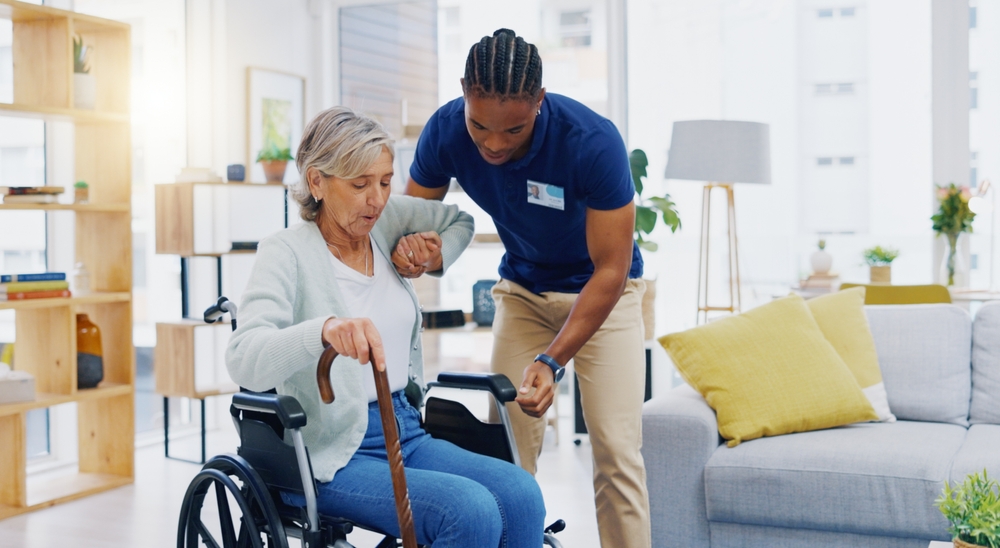
There’s a point in many families where concern quietly shifts into something more urgent. It’s not always triggered by a single event. More often, it’s a pattern—small changes that start to add up.
Recognizing the signs your loved one needs in-home care isn’t about overreacting. It’s about understanding when independence is beginning to come at the cost of safety, health, or quality of life.
In-home care doesn’t replace independence. When introduced at the right time, it protects it.
Subtle Changes That Often Go Unnoticed at First
The earliest indicators are rarely dramatic. They show up in everyday routines—things that used to be effortless but now feel inconsistent or neglected.
You might notice:
- The house isn’t as clean or organized as it once was
- Laundry piles up or goes unfinished
- Expired food sits in the refrigerator
- Bills are missed or unopened
Individually, these don’t always signal a serious issue. Together, they point to a shift in capacity—whether physical, cognitive, or emotional.
This is often the first stage where light in-home support can make a meaningful difference.
Personal Hygiene and Self-Care Begin to Decline
A noticeable change in grooming or hygiene is one of the clearest signs that additional help may be needed.
This can include:
- Wearing the same clothes repeatedly
- Skipping showers or bathing less frequently
- Unkempt hair or nails
- Signs of poor oral hygiene
These changes aren’t typically about choice. They’re often tied to:
- Mobility limitations
- Fatigue
- Cognitive decline
- Depression or lack of motivation
In-home caregivers can provide respectful, consistent support with daily living activities—restoring both comfort and dignity.
Increased Difficulty Managing Medications
Medication routines become more complex with age, especially when multiple prescriptions are involved.
Warning signs include:
- Missed doses or taking the wrong medication
- Confusion about schedules
- Duplicate prescriptions from different providers
- Unexplained side effects or changes in condition
This is a critical area where errors can lead to serious health consequences.
Structured medication management, like the systems used by Seniority Healthcare, ensures that medications are taken correctly, consistently, and safely.
Mobility Issues and Risk of Falls
Changes in mobility are one of the most important indicators to pay attention to.
You may observe:
- Difficulty getting up from chairs or bed
- Slower walking or unsteady balance
- Holding onto furniture for support
- A recent fall—or fear of falling
Even a minor fall can lead to a significant decline in health and independence.
In-home senior care helps reduce these risks through:
- Assistance with movement and daily tasks
- Home safety adjustments
- Ongoing monitoring of physical changes
Early intervention here can prevent major setbacks.
Cognitive Changes and Memory Concerns
Memory lapses happen to everyone, but consistent patterns signal something more.
Signs to watch for include:
- Forgetting appointments or important dates
- Repeating questions or stories frequently
- Getting lost in familiar places
- Difficulty following conversations
Cognitive decline doesn’t just affect memory—it impacts decision-making, safety, and daily functioning.
In-home care, combined with behavioral health support, provides structure and supervision while helping maintain as much independence as possible.
Social Withdrawal and Behavioral Changes
Isolation is often an overlooked factor in senior health.
A loved one who once enjoyed social interaction may begin to:
- Avoid phone calls or visits
- Lose interest in hobbies
- Spend extended periods alone
This can be tied to:
- Depression
- Anxiety
- Physical limitations
- Cognitive changes
Behavioral shifts may also include:
- Irritability or mood swings
- Increased confusion or frustration
- Changes in sleep patterns
Consistent in-home support introduces both practical help and human connection—something that plays a significant role in overall well-being.
Chronic Conditions Becoming Harder to Manage
Many seniors live with chronic conditions, but managing them independently can become increasingly difficult.
You might notice:
- More frequent doctor visits or hospitalizations
- Difficulty following treatment plans
- Worsening symptoms without clear explanation
Conditions like heart disease, diabetes, and respiratory issues require ongoing attention and coordination.
With services like chronic condition management and nurse care coordination, in-home care ensures these conditions are actively managed rather than passively monitored.
Weight Loss, Poor Nutrition, or Changes in Eating Habits
Nutrition often declines before families realize it.
Warning signs include:
- Noticeable weight loss
- Lack of groceries or reliance on processed foods
- Skipping meals
- Difficulty cooking or using kitchen appliances
Poor nutrition can quickly lead to:
- Weakness and fatigue
- Increased fall risk
- Compromised immune function
In-home caregivers can assist with meal preparation, grocery shopping, and ensuring consistent, balanced nutrition.
Household Safety Concerns
The home environment itself can reveal a lot.
Look for:
- Burn marks on cookware or stove
- Clutter creating tripping hazards
- Unlocked doors or forgotten appliances
- Poor lighting or unsafe navigation areas
These are often signs that daily tasks are becoming overwhelming or unsafe.
In-home care providers not only assist with tasks but help identify and mitigate these risks directly within the home.
Caregiver Burnout Within the Family
Sometimes, the clearest sign isn’t with your loved one—it’s with the family.
If you or another caregiver are experiencing:
- Constant stress or exhaustion
- Difficulty balancing responsibilities
- Emotional strain or frustration
…it may be time to introduce professional support.
Caregiver burnout doesn’t just affect the caregiver—it impacts the quality of care being provided.
Services like caregiver support and respite care allow families to step back while ensuring their loved one continues to receive consistent, high-quality care.
When Occasional Help Turns Into Ongoing Need
There’s a tipping point where occasional assistance is no longer enough.
This often looks like:
- Increasing reliance on others for basic tasks
- Frequent health fluctuations
- Reduced ability to recover from minor issues
At this stage, consistent in-home care provides stability.
With access to:
- Primary senior care
- Telemedicine check-ins
- Ongoing monitoring
…care becomes proactive rather than reactive.
Why Early Action Leads to Better Outcomes
Waiting for a crisis—like a fall or hospitalization—limits options.
When families recognize the signs early, they can:
- Introduce care gradually
- Maintain a higher level of independence
- Prevent avoidable health complications
In-home care works best when it’s integrated into daily life before challenges escalate.
A More Thoughtful Approach to Aging at Home
For many seniors, the goal is simple: remain at home, in a familiar environment, with as much independence as possible.
Seniority Healthcare’s model supports that goal by combining:
- In-home primary care
- Medication management
- Nurse care coordination
- Behavioral health support
- Telemedicine access
- Palliative care when needed
This approach meets seniors where they are—physically, emotionally, and medically—without forcing them into a system that wasn’t built for their needs.
Recognizing the signs is the first step. Acting on them is what makes the difference.
If you’re looking for a complete senior care solution, be sure to check out our COMPASS Program.
FAQ: Signs Your Loved One Needs In-Home Care
What are the earliest signs your loved one needs in-home care?
Early signs often include changes in housekeeping, missed bills, inconsistent hygiene, and difficulty managing daily routines. These are usually subtle but indicate a decline in overall capacity.
How do I know if it’s time for professional care instead of family help?
If caregiving responsibilities are becoming overwhelming, inconsistent, or impacting your own well-being, it’s time to consider professional in-home care support.
Can in-home care help with medical needs or just daily tasks?
In-home care can include both. Services often cover personal care, medication management, chronic condition monitoring, and access to primary care through providers like Seniority Healthcare.
What if my loved one resists getting help?
Resistance is common. Introducing care gradually—starting with light support—can help ease the transition and build trust over time.
How does in-home care improve safety?
Caregivers help reduce fall risks, ensure medications are taken correctly, and identify hazards within the home environment before they become serious issues.
Is in-home care only for seniors with serious health conditions?
No. In-home care is often most effective when introduced early, even for seniors who are mostly independent but beginning to show signs of needing support.
What services are typically included in senior in-home care?
Services can include assistance with daily activities, medication management, chronic condition care, behavioral health support, telemedicine, and caregiver support programs.
