
Why Do Doctors Make House Calls?
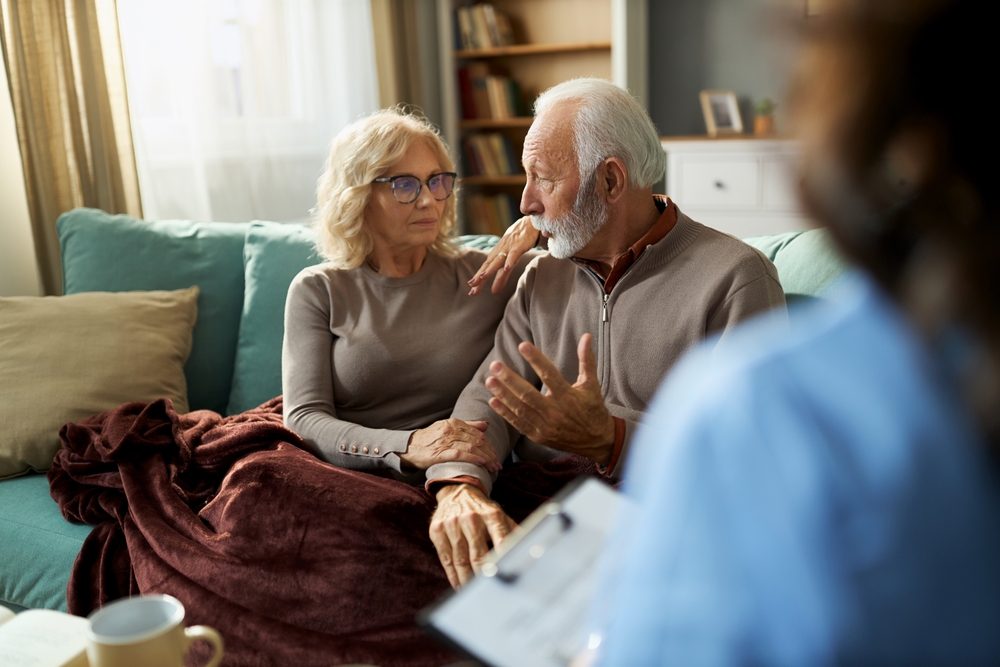
The image of a doctor arriving at a patient’s front door with a medical bag may seem like something from another era. Yet house calls are becoming increasingly relevant in modern healthcare, particularly for older adults who have difficulty traveling to a medical office.
So, why do doctors make house calls?
The simplest answer is that sometimes the patient’s home is the most practical and informative place to provide care. A house call allows a healthcare provider to evaluate the patient, manage ongoing medical conditions, review medications, assess changes in health, and understand factors in the home that may be difficult to identify during a traditional office appointment.
For seniors, the advantages can be especially significant. Mobility problems, multiple chronic conditions, cognitive changes, transportation barriers, and complex medication schedules can turn a routine doctor’s appointment into an exhausting undertaking.
Modern house calls help bring medical care to the patient rather than forcing the patient to overcome those barriers to receive it.
What Is a Doctor House Call?
A doctor house call is a medical visit performed where a patient lives instead of at a physician’s office or outpatient clinic. Depending on the care model, the visit may take place in a private residence, senior living community, assisted living setting, or another residential environment.
Modern house calls are not simply convenience visits.
In-home medical care can be incorporated into an ongoing primary care plan, particularly for older adults with complex or changing healthcare needs. A provider may assess symptoms, monitor chronic diseases, review medications, conduct physical examinations, provide preventive care, follow up after hospitalization, and coordinate treatment with other members of the healthcare team.
That distinction matters. There is a significant difference between a one-time doctor who comes to your house and a healthcare team providing ongoing, coordinated senior care in the home.
Why Do Doctors Make House Calls?
Doctors make house calls because traditional office-based medicine does not work equally well for every patient.
A healthy adult who drives and lives near a medical practice may have little difficulty attending an appointment. An 84-year-old with arthritis, heart disease, limited mobility, several medications, and no reliable transportation faces an entirely different situation.
The medical needs may also be more complicated.
Bringing healthcare into the home can remove barriers to care while giving the provider a better understanding of how the patient is actually functioning between appointments.
There are several reasons a physician or healthcare provider may see a patient at home.
House Calls Make Healthcare More Accessible
Getting to a medical appointment can become progressively harder as people age.
A senior may need help getting dressed, walking to a vehicle, transferring into a car, traveling to the office, navigating the building, waiting for the appointment, and then making the entire trip home.
For someone with limited mobility or significant fatigue, that is a major undertaking.
Transportation can create another obstacle. Older adults who no longer drive may depend on adult children, caregivers, community transportation, or medical transportation services.
In-home visits remove much of that logistical burden.
Instead of organizing the patient’s day around getting to healthcare, healthcare comes to the patient.
Doctors Can See How a Patient Functions at Home
A medical office provides a controlled clinical environment. A home provides context.
That context can be valuable when caring for an older adult.
A healthcare provider may gain a clearer understanding of how safely a patient moves through the home, how medications are being organized, whether caregivers are available, and what practical challenges might be affecting the care plan.
Consider medication management.
A patient might arrive at an office with a medication list that appears accurate. During an in-home visit, however, a provider may be able to review the actual medication bottles and discover an old prescription that is still being taken, duplicate medications, confusion about dosing instructions, or problems keeping track of refills.
The home environment can reveal details that may never come up during a brief office appointment.
House Calls Help Patients With Mobility Limitations
Mobility is one of the clearest reasons doctors make house calls.
Older adults may have difficulty leaving home because of:
- Arthritis
- Muscle weakness
- Balance problems
- Neurological conditions
- Recent surgery
- A history of falls
- Chronic pain
- Frailty
- Shortness of breath
- Reliance on a wheelchair, walker, or other mobility aid
A patient should not have to postpone routine medical care simply because traveling to an office has become difficult.
In-home medical visits can provide another way to maintain regular access to healthcare as physical abilities change.
House Calls Can Improve Chronic Condition Management
Chronic medical conditions rarely improve through isolated appointments alone. They require monitoring, follow-up, medication management, patient education, and adjustments when symptoms change.
This is particularly important among seniors living with several conditions simultaneously.
An older adult might be managing diabetes, hypertension, heart disease, arthritis, and chronic kidney disease while taking medications prescribed by several different healthcare providers.
In that situation, healthcare becomes a coordination problem as much as a treatment problem.
Regular in-home primary care can make it easier to follow changes over time and identify emerging concerns before they become more difficult to manage.
A provider may monitor issues such as:
- Blood pressure
- Blood sugar management
- Changes in weight
- Pain
- Swelling
- Breathing difficulties
- Medication adherence
- Mobility
- Nutrition
- Cognitive changes
- New or worsening symptoms
- Recovery following hospitalization
This creates a more proactive approach to chronic condition management rather than waiting for a serious problem to trigger an emergency department visit.
In-Home Doctors Can Identify Problems Earlier
Many medical problems do not become serious overnight. There are often smaller changes first.
A patient starts eating less. Walking becomes more difficult. Swelling increases. A medication is being taken incorrectly. Confusion becomes more noticeable. Shortness of breath gradually worsens.
These changes are easy to overlook, particularly when medical appointments are months apart.
Consistent contact with a healthcare team gives providers, patients, and caregivers more opportunities to recognize changes early.
Early intervention may involve adjusting a treatment plan, reviewing medication, arranging testing, contacting a specialist, providing caregiver education, or scheduling additional follow-up.
The objective is not merely to respond to medical crises. It is to identify problems while there is still an opportunity to keep them from becoming crises.
House Calls Can Be Valuable After a Hospital Stay
The transition from hospital to home is an important period for older adults.
Discharge instructions may include new medications, discontinued prescriptions, specialist appointments, dietary changes, therapy, wound care, medical equipment, and follow-up testing.
That can be a lot to manage, particularly when a patient is still recovering.
An in-home medical visit after hospitalization can help determine how recovery is progressing and whether the discharge plan is actually working in the patient’s day-to-day environment.
The healthcare team can review new medications, clarify instructions, evaluate symptoms, identify gaps in follow-up care, and coordinate with other providers when necessary.
For families, this can also provide an opportunity to ask questions that did not occur to them during the rush of hospital discharge.
Medication Management Is Easier When Providers See the Full Picture
Medication management becomes increasingly important with age.
Many older adults take multiple prescription medications along with over-the-counter products, vitamins, or supplements. Different specialists may prescribe different medications, creating a complicated regimen that can be difficult for patients and caregivers to manage.
A house call provides an opportunity to look beyond a medication list.
Providers can discuss what the patient is actually taking, when medications are taken, whether doses are being missed, and whether side effects or other concerns have developed.
This can be particularly helpful when a patient has recently returned from the hospital or has prescriptions coming from multiple providers.
Effective medication management is not simply about having the correct prescriptions. It is about making sure the overall medication plan remains understandable, coordinated, and appropriate for the patient’s current health.
House Calls Can Support Seniors With Cognitive Changes
Memory loss and cognitive impairment can make conventional healthcare increasingly difficult.
A senior experiencing cognitive changes may forget appointments, struggle to describe symptoms accurately, misunderstand medication instructions, or become anxious in unfamiliar surroundings.
Receiving care in a familiar environment can eliminate some of those difficulties.
It also gives the provider an opportunity to communicate with family members and caregivers who may have noticed changes the patient does not recognize or remember.
Behavioral health is another important part of this picture.
Depression, anxiety, grief, social isolation, sleep problems, and dementia-related behavioral changes can affect physical health and quality of life. Senior healthcare is often more effective when medical and behavioral concerns are considered together rather than managed as completely separate issues.
In-Home Medical Care Can Help Family Caregivers
When an older adult develops complex medical needs, family members frequently become part of the healthcare process.
They may schedule appointments, arrange transportation, manage prescriptions, communicate with specialists, monitor symptoms, and try to understand what different healthcare providers are recommending.
That responsibility can become overwhelming.
House calls do not eliminate the caregiver’s role, but they can make healthcare easier to coordinate.
A provider can answer questions in the home, explain treatment recommendations, discuss changes the family has observed, and help everyone understand what should happen next.
This creates an opportunity for the caregiver, patient, and medical team to work from the same care plan.
Why Nurse Case Management Matters Alongside House Calls
A doctor visiting the home solves one problem: access to medical care.
It does not automatically solve another major challenge facing older adults: healthcare fragmentation.
A senior may simultaneously receive care from a primary care provider, cardiologist, neurologist, psychiatrist, physical therapist, pharmacy, hospital system, and home-based services.
Without coordination, information can become fragmented.
Nurse case management helps connect those pieces.
A nurse case manager may help coordinate medical appointments, communicate with providers, monitor treatment plans, educate patients and caregivers, identify gaps in care, and support transitions between different healthcare settings.
This is particularly valuable for patients with multiple chronic conditions or frequent healthcare needs.
Rather than expecting the patient or family to serve as the communication hub between every healthcare provider, coordinated care creates a more organized system around the patient.
House Calls and Telemedicine Can Work Together
House calls and telemedicine are sometimes treated as competing approaches. In practice, they can complement one another.
Not every healthcare interaction requires a provider to be physically present in the home.
Telemedicine may be appropriate for certain follow-up appointments, medication discussions, behavioral health visits, symptom checks, caregiver consultations, and care coordination.
An in-person house call, however, allows for hands-on examination and direct observation when those are necessary.
A hybrid approach can provide greater continuity. Patients receive face-to-face care when a physical evaluation is needed while telemedicine provides another way to stay connected between visits.
For seniors who have difficulty traveling, both options can improve access to the healthcare team.
Are Doctor House Calls Only for Homebound Patients?
Not necessarily.
A person does not have to be completely unable to leave the house to benefit from in-home medical care.
There is a broad range between being fully mobile and being completely homebound.
Someone may technically be able to leave home but find the process physically exhausting, unsafe, or dependent on considerable caregiver assistance. Another person may be able to attend appointments occasionally but benefit from more consistent monitoring than transportation allows.
The appropriate care setting should reflect the person’s medical needs, functional abilities, living situation, and available healthcare options.
What Can a Doctor Do During a House Call?
The specific services available during a medical house call depend on the provider, patient’s condition, and type of program.
In-home medical care may include:
- Primary care evaluations
- Physical examinations
- Assessment of new symptoms
- Chronic disease monitoring
- Medication review and management
- Preventive healthcare
- Post-hospital follow-up
- Care planning
- Coordination with specialists
- Behavioral health assessment
- Evaluation of mobility and functional changes
- Caregiver education
- Referral for additional services
- Coordination of laboratory testing or other diagnostic services
A home visit does not mean every healthcare service can be performed inside the home.
Imaging, procedures, specialist evaluations, emergency treatment, and certain diagnostic tests may still require an outside facility. The advantage of coordinated in-home primary care is that the primary healthcare team can help determine what additional services are needed and how they fit into the broader care plan.
Are House Calls the Same as Home Health Care?
No. The terms are related, but they should not be used interchangeably.
In-home primary care involves medical evaluation and management by qualified healthcare providers. The focus is on the patient’s overall health, including diagnosis, treatment, preventive care, medication oversight, and chronic condition management.
Home health services typically involve specific skilled services delivered in the home under an established plan of care. Depending on the patient’s needs, these may include skilled nursing, physical therapy, occupational therapy, speech therapy, or other qualifying services.
Personal home care is different again. A home care aide may assist with activities such as bathing, dressing, meal preparation, companionship, or other everyday needs.
An older adult may receive more than one of these services at the same time.
Understanding the distinction helps families build the right combination of medical and practical support.
Do House Calls Replace Specialists?
Usually not.
The goal of in-home primary care is not to eliminate cardiologists, neurologists, oncologists, orthopedists, or other specialists.
Instead, the primary care team can serve as a central point for the patient’s overall healthcare.
For a senior seeing several specialists, this coordination becomes increasingly important. Someone needs to maintain a broad view of the patient’s conditions, medications, recent hospitalizations, functional changes, and treatment priorities.
The house-call provider can communicate with specialists, incorporate their recommendations into the overall care plan, and help identify when additional specialty evaluation is necessary.
When Is a Doctor House Call Especially Helpful?
There is no single profile of a patient who benefits from house calls. However, in-home medical care may be particularly useful for older adults who:
- Have difficulty traveling to medical appointments
- Depend heavily on family members for transportation
- Live with multiple chronic conditions
- Take numerous medications
- Have experienced repeated hospitalizations or emergency visits
- Are recovering after hospitalization
- Have mobility or balance problems
- Experience cognitive or behavioral changes
- Need frequent medical monitoring
- Have complex care involving several specialists
- Live in a senior living community
- Need closer coordination between medical providers and caregivers
The common factor is complexity.
As healthcare becomes harder for a patient or family to manage through occasional office visits alone, bringing care into the home may become a practical part of a more comprehensive care strategy.
Why House Calls Are Particularly Important in Senior Healthcare
Older adults often need a different healthcare model than younger, healthier patients.
An office visit may focus on one immediate complaint. Senior care often requires a much wider view.
Is the patient eating adequately? Are medications being taken correctly? Has mobility changed? Have there been recent falls? Is memory declining? Has a specialist changed the treatment plan? Is a family caregiver struggling to keep everything organized?
These issues influence one another.
A medication that causes dizziness may increase fall risk. Chronic pain may contribute to inactivity. Reduced mobility can increase isolation. Isolation can affect mood. Cognitive decline may interfere with medication adherence.
Good senior healthcare recognizes those connections.
House calls provide an environment where clinicians can evaluate the patient within the circumstances of everyday life instead of viewing each medical problem in isolation.
How Seniority Healthcare Approaches In-Home Senior Care
Seniority Healthcare was designed around an accessible, coordinated approach to caring for older adults. Its physician-led model brings care to seniors where they live and emphasizes proactive monitoring, consistent follow-up, and communication among providers, nurses, specialists, families, and other members of the care team.
Primary senior care addresses ongoing medical needs such as preventive care, chronic disease management, medication oversight, and treatment planning.
Behavioral health support recognizes that emotional, cognitive, and physical health frequently overlap as people age. Depression, anxiety, dementia-related behaviors, grief, and other concerns may require attention alongside medical conditions.
Nurse case management helps connect the different parts of a senior’s healthcare, particularly when multiple providers, medications, conditions, and caregivers are involved.
Additional services such as medication management, chronic condition management, coordinated care, caregiver support, telemedicine, and in-home care allow the care plan to adapt as a patient’s needs become more complex.
For seniors with serious illness, significant symptom burden, or escalating healthcare needs, Seniority Healthcare also offers its COMPASS Program as a proactive in-home supportive care model.
If you’d like to learn more about our program and how we can help, give our care team a call at 1-888-982-8594. Review insurances we accept.
The underlying principle is straightforward: healthcare should adapt to the needs of the older adult rather than expecting every older adult to adapt to a traditional office-based system.
The Return of the House Call Reflects a Broader Change in Senior Care
House calls are not simply a return to an old-fashioned style of medicine.
They represent a different way of thinking about healthcare delivery.
For some patients, the medical office remains exactly where care should happen. For others, particularly older adults facing mobility limitations or complicated healthcare needs, bringing the provider into the home can make care more accessible and give the clinical team a fuller picture of the patient.
The real value comes when a house call is part of something larger: consistent primary care, medication management, behavioral support, chronic condition monitoring, nurse case management, caregiver involvement, and communication across the healthcare team.
That is why doctors make house calls today. It is not merely about convenience. It is about meeting patients where they are, understanding how they actually live, and creating a care plan that works outside the walls of a medical office.
Frequently Asked Questions About Why Doctors Make House Calls
Why do doctors make house calls for seniors?
Doctors and other healthcare providers make house calls for seniors because aging can make traveling to medical offices difficult and because older adults often require more complex medical oversight. In-home visits can support chronic condition management, medication review, preventive care, post-hospital follow-up, and coordination with caregivers and specialists.
Can a doctor provide primary care in your home?
Yes. In-home primary care can include routine medical evaluations, chronic disease management, medication management, preventive care, symptom assessment, follow-up visits, and care coordination. Some tests, procedures, imaging, emergency services, and specialist care may still need to be performed outside the home.
Do you have to be homebound to receive doctor house calls?
Not every in-home care program requires a patient to be completely homebound. Eligibility depends on the provider, service, insurance coverage, and patient’s circumstances. Older adults who can leave home but have significant mobility, transportation, or medical challenges may still benefit from an in-home care model.
Does Medicare cover doctor house calls?
Medicare Part B can cover medically necessary physician and qualified healthcare provider services delivered in a patient’s home when applicable Medicare requirements are met. Coverage, deductibles, coinsurance, and other out-of-pocket costs depend on the specific service and the patient’s coverage.
What happens during a doctor’s house call?
A provider may discuss symptoms, review medical history, perform a physical examination, assess chronic conditions, review medications, evaluate changes in function, update the care plan, and determine whether testing, specialist care, or additional follow-up is needed.
Are house calls only for sick patients?
No. House calls can be used for ongoing primary care as well as illness-related visits. Depending on the program, in-home healthcare may include preventive care, chronic disease monitoring, medication management, follow-up after hospitalization, behavioral health support, and long-term medical oversight.
Can house-call doctors prescribe medication?
Qualified prescribing providers can prescribe medications during in-home medical care when clinically appropriate, just as they can in other healthcare settings. In-home care can also provide an opportunity to review the patient’s existing prescriptions and identify potential medication-management concerns.
What is the difference between a house-call doctor and a home health nurse?
A house-call physician or other primary care provider focuses on medical evaluation, diagnosis, treatment, and overall healthcare management. Home health nurses generally provide specific skilled nursing services under a prescribed plan of care. Nurse case managers have another distinct role, focusing heavily on coordinating providers, treatment plans, healthcare services, and communication.
Can house calls help prevent hospital visits?
Proactive in-home care can help healthcare teams identify worsening symptoms, medication problems, and other changes earlier so they can determine an appropriate response. For seniors with complex health needs, consistent monitoring and coordinated care can be particularly valuable in addressing problems before they escalate.
Are house calls better than telemedicine for seniors?
Neither is universally better. They serve different purposes. Telemedicine is useful when a hands-on examination is not necessary, while an in-home visit allows a healthcare professional to physically evaluate the patient and observe the home environment. Many senior care models use both approaches to provide continuity and improve access.
How do I know if an elderly parent would benefit from in-home primary care?
Consider how difficult it is for your parent to attend appointments and how complicated their healthcare has become. Frequent hospital visits, multiple chronic conditions, numerous prescriptions, mobility limitations, cognitive changes, dependence on caregivers, and difficulty coordinating several specialists can all indicate that a more structured in-home care model may be helpful.
What should families look for in an in-home senior healthcare provider?
Look beyond whether the provider simply offers house calls. Ask whether the organization provides ongoing primary care, chronic condition management, medication oversight, behavioral health support, caregiver communication, after-hours support, nurse case management, telemedicine, and coordination with specialists. For older adults with complex needs, continuity and coordination can be just as important as the location of the appointment.
