
Primary Care for Seniors: Complete Guide to In-Home & Preventive Senior Healthcare
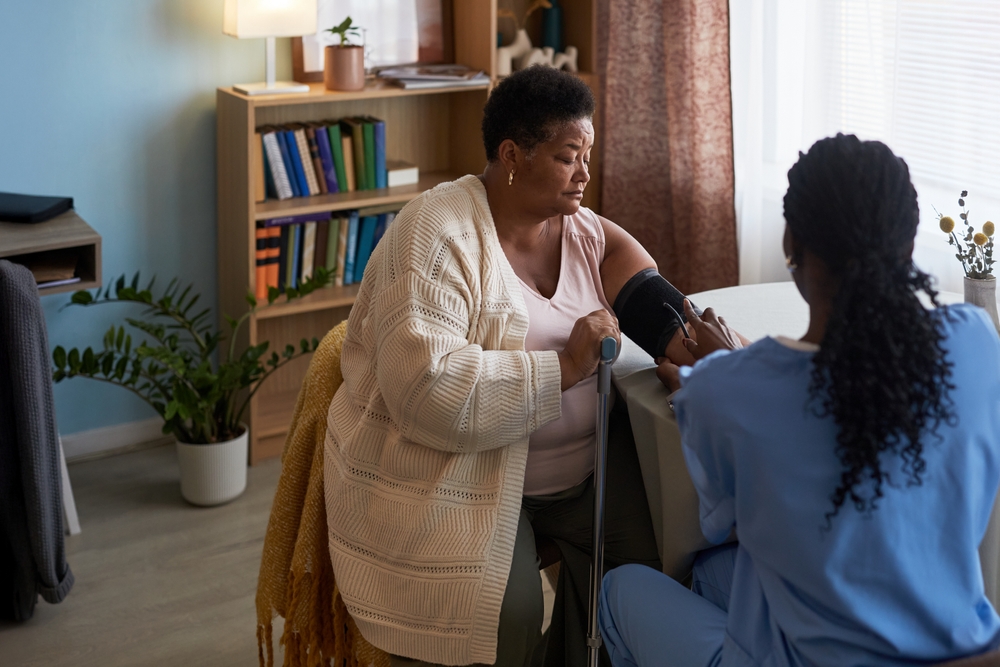
Primary care for seniors has evolved well beyond the traditional doctor’s office visit. Today, it represents a proactive, coordinated approach to managing health in later life—one that prioritizes prevention, accessibility, and continuity of care. For aging adults, especially those managing chronic conditions or mobility challenges, the shift toward in-home primary care and preventive healthcare is redefining what quality care looks like.
This guide breaks down how modern senior primary care works, why it matters, and how in-home models—like those offered by Seniority Healthcare—are improving outcomes, reducing hospitalizations, and supporting long-term independence.
What Is Primary Care for Seniors?
Primary care for seniors is the foundation of healthcare in older adulthood. It encompasses routine medical care, chronic disease management, preventive services, and care coordination—all tailored to the unique physiological and lifestyle needs of aging individuals.
Unlike general primary care, senior-focused care accounts for:
- Age-related health changes
- Multiple chronic conditions (comorbidities)
- Medication complexity (polypharmacy)
- Cognitive and behavioral health considerations
- Functional limitations and mobility challenges
At its core, senior primary care is not reactive—it’s longitudinal. The goal is to build a continuous relationship between patient and provider, allowing for early intervention, better monitoring, and more personalized care decisions.
Why Primary Care Is Critical for Aging Adults
As individuals age, healthcare needs become more complex and interconnected. A minor issue—like a medication side effect—can quickly escalate into a serious complication without proper oversight.
High-quality primary care for seniors helps:
- Reduce hospital admissions and ER visits
- Identify health issues earlier through routine monitoring
- Improve medication safety and adherence
- Coordinate care across specialists and services
- Enhance quality of life and independence
Preventive care becomes especially important at this stage. Screenings, routine checkups, and lifestyle management can significantly delay or even prevent the progression of chronic illnesses.
The Shift Toward In-Home Primary Care
Traditional clinic-based care often creates barriers for seniors—transportation challenges, long wait times, and fragmented communication between providers. In-home primary care addresses these issues directly.
What Is In-Home Primary Care?
In-home primary care delivers medical services directly to a patient’s residence. This model is designed for seniors who:
- Have limited mobility
- Prefer aging in place
- Require frequent monitoring
- Benefit from a more personalized care environment
Providers—such as nurse practitioners, physicians, and care managers—visit patients at home, bringing both clinical expertise and a deeper understanding of the patient’s living environment.
Key Advantages of In-Home Care
- Convenience and accessibility – No travel required
- More accurate assessments – Providers see real-life conditions
- Stronger patient-provider relationships – Longer, more focused visits
- Reduced risk of hospital readmissions
- Improved care coordination
For many families, this model removes friction from the healthcare experience and creates a more consistent, supportive care structure.
Core Services Included in Senior Primary Care
A comprehensive primary care program for seniors typically includes a wide range of services designed to address both immediate and long-term health needs.
Routine Medical Care & Wellness Visits
Regular checkups allow providers to track changes in health over time, adjust care plans, and catch potential issues early.
Chronic Disease Management
Conditions such as diabetes, heart disease, COPD, and arthritis require ongoing oversight. Primary care providers monitor symptoms, adjust medications, and coordinate with specialists when needed.
Medication Management
Seniors often take multiple prescriptions, increasing the risk of interactions and errors. A structured medication review process ensures:
- Correct dosages
- Reduced duplication
- Safer combinations
Preventive Care & Screenings
Preventive services are essential to maintaining long-term health. These may include:
- Blood pressure and cholesterol monitoring
- Cancer screenings
- Fall risk assessments
- Vaccinations
Behavioral & Mental Health Support
Depression, anxiety, and cognitive decline are common but often underdiagnosed in seniors. Integrated behavioral health services ensure these issues are addressed alongside physical health.
Preventive Healthcare: The Backbone of Senior Wellness
Preventive care is where the real value of primary care emerges. Rather than waiting for symptoms to escalate, preventive healthcare focuses on maintaining stability and avoiding complications.
Key Preventive Strategies
- Routine monitoring of vital signs and biomarkers
- Early detection of cognitive changes or decline
- Lifestyle counseling (nutrition, mobility, sleep)
- Fall prevention planning
- Vaccination programs
For seniors, prevention isn’t just about longevity—it’s about preserving independence and daily function.
The Role of Care Coordination in Senior Health
One of the most overlooked aspects of healthcare is coordination. Seniors often see multiple providers, which can lead to fragmented care and conflicting recommendations.
Primary care acts as the central hub, ensuring:
- Communication between specialists
- Alignment of treatment plans
- Seamless transitions between care settings
- Accurate, up-to-date medical records
In advanced models like Seniority Healthcare’s approach, nurse care managers play a critical role in orchestrating this process, acting as both advocate and guide for the patient.
Telehealth and Remote Monitoring in Senior Care
Technology is increasingly integrated into senior primary care, particularly in in-home models.
Telemedicine
Virtual visits allow seniors to access care quickly for both routine and urgent needs without leaving home.
Remote Monitoring
Devices can track:
- Blood pressure
- Blood glucose levels
- Oxygen saturation
- Heart rate
This data is transmitted to providers in real time, enabling early intervention when something changes.
The result is a more responsive, data-driven care model that reduces risk and improves outcomes.
Who Benefits Most from In-Home Primary Care?
While many seniors can benefit, in-home primary care is especially valuable for individuals who:
- Have multiple chronic conditions
- Experience difficulty traveling to appointments
- Are recovering from hospitalization
- Require frequent monitoring or medication adjustments
- Prefer to remain at home rather than transition to assisted living
Families also benefit from greater visibility into care plans and more direct communication with providers.
How Seniority Healthcare Aligns with Modern Primary Care
Seniority Healthcare’s model reflects where senior healthcare is heading—integrated, proactive, and patient-centered.
Their approach combines:
- In-home primary care visits
- Nurse care management and coordination
- Medication oversight and symptom management
- Telehealth access for ongoing support
- Preventive and chronic care strategies under one system
Programs like COMPASS extend this further by blending in-person care with virtual provider access, ensuring seniors receive consistent attention without unnecessary disruption.
This level of integration reduces gaps in care, improves patient outcomes, and creates a more sustainable long-term health strategy.
Choosing the Right Primary Care Provider for Seniors
Not all primary care models are built the same. When evaluating options, it’s important to look beyond basic services and assess how care is delivered.
What to Look For
- Experience in geriatric or senior-focused care
- Availability of in-home services
- Strong care coordination systems
- Integrated behavioral health support
- Access to telehealth and remote monitoring
- Clear communication with patients and families
A provider should feel less like a transactional service and more like a long-term partner in health.
The Future of Primary Care for Seniors
Healthcare is shifting toward value-based models that prioritize outcomes over volume. For seniors, this means more personalized care, better coordination, and fewer unnecessary hospital visits.
In-home primary care is at the center of this evolution.
As technology improves and healthcare systems adapt, the focus will continue to move toward:
- Preventing illness rather than reacting to it
- Delivering care in the most comfortable and effective setting—the home
- Integrating physical, mental, and social health into one cohesive plan
For seniors and their families, this represents a significant improvement in both quality of care and quality of life.
FAQ: Primary Care for Seniors
What is included in primary care for seniors?
Primary care for seniors typically includes routine checkups, chronic disease management, medication oversight, preventive screenings, and care coordination. Many modern programs also incorporate behavioral health support and telehealth services.
How is in-home primary care different from traditional care?
In-home primary care brings medical services directly to the patient’s residence. This eliminates travel barriers, allows for more personalized care, and provides providers with a better understanding of the patient’s environment and daily challenges.
Who qualifies for in-home primary care?
Seniors with mobility limitations, chronic conditions, or a preference to age in place are ideal candidates. It’s also beneficial for those who require frequent monitoring or have difficulty managing multiple medical appointments.
Does primary care for seniors include preventive services?
Yes, preventive care is a central component. This includes routine screenings, vaccinations, fall risk assessments, and lifestyle guidance aimed at maintaining long-term health and independence.
How does primary care help manage chronic conditions?
Primary care providers monitor symptoms, adjust medications, and coordinate with specialists to ensure a cohesive treatment plan. Regular follow-ups help prevent complications and reduce hospitalizations.
Is telehealth part of senior primary care?
In many modern care models, yes. Telehealth allows seniors to connect with providers for routine check-ins, urgent concerns, and follow-ups without needing to leave home.
Why is care coordination important for seniors?
Seniors often work with multiple healthcare providers. Care coordination ensures all aspects of treatment are aligned, reducing the risk of errors, duplication, or conflicting recommendations.
Closing Thoughts
Primary care for seniors is no longer just about managing illness—it’s about creating a structured, proactive system that supports healthier aging. When delivered in the home and backed by preventive strategies, it becomes one of the most effective ways to improve outcomes and preserve independence over time.
