
Senior Preventive Care: A Proactive Approach to Health, Stability, and Independence
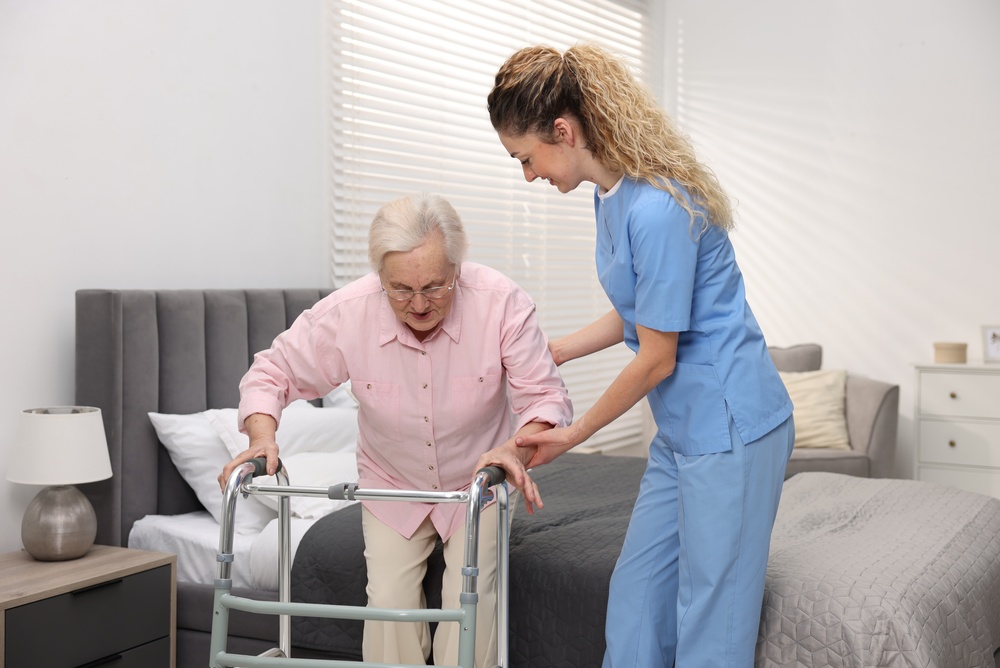
Aging brings new health considerations, but it also creates an opportunity to take a more intentional, proactive approach to care. Rather than waiting for symptoms to appear or conditions to worsen, Senior Preventive Care focuses on maintaining health, identifying risks early, and supporting long-term stability.
For older adults—especially those managing chronic conditions or mobility challenges—preventive care is not just beneficial. It is essential. When delivered consistently and, ideally, in the home, it becomes one of the most effective ways to reduce hospitalizations, improve quality of life, and help seniors remain independent for longer.
What Is Senior Preventive Care?
Senior preventive care is a structured, ongoing approach to healthcare that prioritizes early detection, routine monitoring, and proactive management of health risks. It is designed specifically for older adults, taking into account age-related changes, medication complexity, and the increased likelihood of chronic conditions.
Unlike reactive healthcare models, which focus on treating illness after it develops, preventive care emphasizes:
- Identifying health risks before they escalate
- Monitoring existing conditions to prevent complications
- Maintaining physical, cognitive, and emotional well-being
- Coordinating care across providers
When implemented effectively, senior preventive care becomes the foundation for long-term health management.
Why Preventive Care Matters More With Age
As the body ages, even minor health changes can lead to significant complications if left unaddressed. Blood pressure fluctuations, medication side effects, or subtle cognitive changes may not seem urgent—but over time, they can contribute to serious outcomes.
Preventive care helps bridge that gap.
Key Benefits of Senior Preventive Care
- Early detection of chronic conditions such as diabetes, hypertension, and heart disease
- Reduced risk of hospitalizations through proactive monitoring
- Improved medication safety and reduced adverse interactions
- Better management of existing conditions
- Enhanced quality of life and independence
For many seniors, consistent preventive care is what keeps manageable conditions from becoming emergencies.
Core Components of Senior Preventive Care
A comprehensive preventive care plan for seniors goes beyond annual checkups. It involves multiple layers of monitoring, coordination, and ongoing evaluation.
Routine Health Assessments
Regular evaluations provide a baseline for understanding a patient’s overall health and detecting changes early. These assessments often include:
- Blood pressure and heart rate monitoring
- Weight and nutritional status
- Respiratory function
- Mobility and balance evaluation
- Cognitive screening
Even small changes can signal the need for adjustments in care.
Preventive Screenings and Risk Identification
Preventive screenings are critical for identifying underlying health concerns before symptoms appear. Depending on the individual, this may include:
- Diabetes screening
- Cholesterol monitoring
- Cancer screenings
- Bone density assessments
- Cognitive evaluations
The goal is not just detection, but timely intervention.
Medication Review and Optimization
Medication-related complications are one of the leading causes of avoidable hospital visits among seniors.
Preventive care includes structured medication reviews to:
- Identify unnecessary or duplicate prescriptions
- Monitor for side effects
- Adjust dosages as health needs change
- Ensure medications work together safely
This process is particularly important for individuals managing multiple prescriptions.
Chronic Condition Monitoring
Most seniors live with at least one chronic condition. Preventive care ensures those conditions are actively managed rather than passively observed.
Conditions commonly addressed include:
- Heart disease and hypertension
- Diabetes
- COPD and respiratory conditions
- Arthritis
- Kidney disease
- Neurological conditions such as Parkinson’s
Regular monitoring allows providers to intervene before symptoms escalate.
The Role of In-Home Preventive Care
Traditional healthcare models often rely on office visits, which can be difficult for seniors with mobility limitations or transportation challenges. This is where in-home care becomes especially valuable.
In-home senior preventive care removes barriers to consistency.
Instead of waiting weeks or months between appointments, patients receive ongoing oversight in a familiar environment. This allows for:
- More frequent monitoring
- Better visibility into daily health conditions
- Improved adherence to care plans
- Faster response to changes in health
For companies like Seniority Healthcare, delivering preventive care in the home is not just convenient—it’s a more effective model for long-term health management.
Preventing Hospitalizations Through Proactive Care
Hospitalizations are often the result of issues that could have been addressed earlier:
- A medication interaction that went unnoticed
- A gradual worsening of symptoms
- A missed follow-up appointment
- A lack of coordination between providers
Preventive care reduces these risks by maintaining consistent oversight.
How Preventive Care Reduces Hospital Visits
- Early symptom identification before conditions worsen
- Routine check-ins that catch subtle changes
- Medication adjustments before complications occur
- Coordinated care across providers
This approach shifts healthcare from reactive to proactive—where stability becomes the priority.
Supporting Cognitive and Behavioral Health
Preventive care is not limited to physical health. Cognitive and emotional well-being are equally important, especially for seniors.
Early signs of:
- Memory loss
- Depression
- Anxiety
- Behavioral changes
can often be subtle. Preventive care ensures these changes are recognized and addressed early.
This is particularly important for individuals at risk of dementia or managing existing cognitive decline, where early intervention can significantly improve outcomes.
The Importance of Care Coordination
One of the most overlooked aspects of senior healthcare is coordination. Many older adults see multiple providers, each focused on a specific condition.
Without coordination, this can lead to:
- Conflicting treatment plans
- Medication errors
- Missed follow-ups
- Fragmented care
Preventive care helps unify these moving parts.
By maintaining a central point of oversight, providers ensure all aspects of a patient’s care remain aligned, improving both safety and effectiveness.
Who Benefits Most From Senior Preventive Care?
While all older adults benefit from preventive care, it is especially valuable for those who:
- Live with chronic health conditions
- Take multiple medications
- Have experienced recent hospitalizations
- Face mobility or transportation challenges
- Want to maintain independence at home
In many cases, the earlier preventive care is introduced, the greater the long-term benefit.
A Smarter Approach to Aging
Senior preventive care is not about adding more appointments or complexity. It’s about creating a structured, consistent approach to health that reduces uncertainty and improves outcomes.
When done right, it provides:
- Clarity for patients and families
- Stability in managing chronic conditions
- Confidence in care decisions
- A path to aging with greater independence
For seniors and their families, that peace of mind is just as important as the medical outcomes themselves.
Frequently Asked Questions About Senior Preventive Care
What is included in senior preventive care?
Senior preventive care typically includes routine health assessments, preventive screenings, medication reviews, chronic condition monitoring, and care coordination. These services work together to identify health risks early and maintain long-term stability.
How often should seniors receive preventive care?
The frequency of preventive care depends on the individual’s health needs. Many seniors benefit from regular check-ins—monthly or quarterly—especially if they are managing chronic conditions or taking multiple medications.
Can preventive care really reduce hospitalizations?
Yes. Preventive care helps identify and address health concerns early, before they become emergencies. Consistent monitoring, medication oversight, and coordinated care significantly reduce avoidable hospital visits.
Is preventive care different from primary care?
Preventive care is a core component of primary care, but it places a stronger emphasis on early detection and proactive health management. It focuses on preventing illness rather than only treating it after symptoms appear.
Who should consider in-home preventive care?
In-home preventive care is ideal for seniors who have difficulty traveling to appointments, require frequent monitoring, or want a more consistent and convenient approach to managing their health. It allows for better oversight and improved continuity of care.
Closing Thoughts
If you want to build on this, the next strategic move would be creating supporting content around specific preventive topics (like fall prevention, medication safety, and early dementia detection) to strengthen your topical authority around senior healthcare.
