How In-Home Senior Care Works

As people age, many prefer to remain in the comfort of their own homes rather than move into an assisted living facility or nursing home. Home is familiar. It offers independence, routines, cherished memories, and a sense of control that can become increasingly important later in life.
However, aging at home often requires additional support. Health conditions become more complex, daily tasks may become more difficult, and family caregivers can quickly find themselves overwhelmed by the demands of managing appointments, medications, safety concerns, and ongoing care needs.
This is where in-home senior care plays a critical role.
Understanding how in-home senior care works can help families make informed decisions about the type of support their loved ones need while preserving independence, dignity, and quality of life. Whether a senior requires occasional assistance, ongoing medical oversight, behavioral health support, or specialized palliative care, in-home care services can be tailored to meet those unique needs.
What Is In-Home Senior Care?
In-home senior care refers to a range of healthcare and supportive services delivered directly in a senior’s residence. Rather than relocating to a care facility, individuals receive personalized care where they feel most comfortable.
The goal is to help older adults maintain their independence while ensuring their physical, emotional, and medical needs are properly addressed.
Depending on an individual’s health status, in-home care may include:
- Primary senior care
- Behavioral health support
- Palliative care
- Medication management
- Chronic disease management
- Caregiver support services
- Nurse case management
- Telemedicine visits
- Coordinated care among healthcare providers
- Assistance with daily living activities
Because every senior has different needs, care plans are typically customized rather than standardized.
How In-Home Senior Care Begins
Most in-home care services start with a comprehensive assessment.
Healthcare professionals evaluate several factors, including:
- Current medical conditions
- Medication requirements
- Cognitive health
- Mobility limitations
- Emotional well-being
- Home safety concerns
- Nutritional needs
- Family caregiver involvement
- Long-term healthcare goals
This initial evaluation helps identify areas where support is needed and allows providers to develop a personalized care plan.
Rather than focusing solely on illnesses, modern in-home care often takes a whole-person approach that considers physical health, mental wellness, social engagement, and overall quality of life.
The Core Components of In-Home Senior Care
Primary Senior Care
Primary senior care serves as the foundation of comprehensive in-home healthcare.
Older adults often manage multiple chronic conditions simultaneously, making consistent medical oversight essential. In-home primary care brings healthcare services directly to seniors, reducing the burden of frequent travel to medical offices.
Primary care services may include:
- Routine health assessments
- Preventive screenings
- Management of chronic illnesses
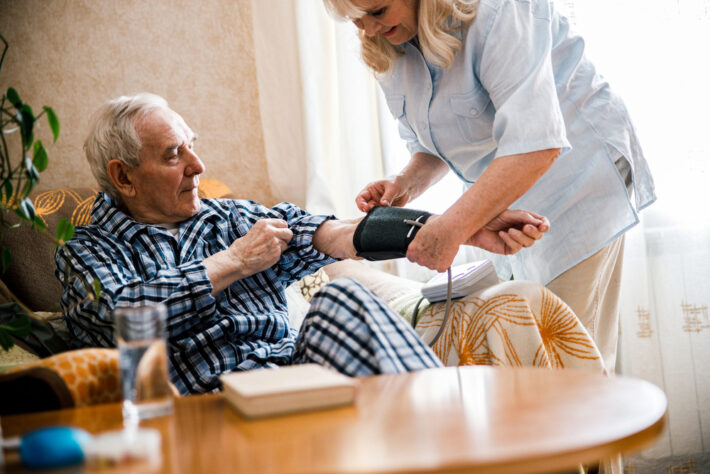
- Blood pressure monitoring
- Diabetes management
- Treatment plan adjustments
- Coordination with specialists
- Follow-up care after hospital visits
By providing care at home, healthcare professionals gain valuable insight into environmental factors that may affect a patient’s health and safety.
Behavioral Health Support
Mental and emotional well-being are often overlooked aspects of senior healthcare.
Many older adults face challenges such as:
- Depression
- Anxiety
- Loneliness
- Grief
- Cognitive decline
- Adjustment difficulties after illness or loss
Behavioral health support helps seniors address these concerns while improving overall quality of life.
In-home behavioral health services can include counseling, emotional support, mental health evaluations, and ongoing monitoring for symptoms that may affect daily functioning.
Addressing behavioral health needs alongside physical health often leads to better outcomes and greater overall stability.
Palliative Care
Palliative care focuses on improving comfort and quality of life for individuals living with serious or chronic illnesses.
Contrary to common misconceptions, palliative care is not limited to end-of-life situations.
Instead, it helps individuals manage symptoms such as:
- Chronic pain
- Fatigue
- Shortness of breath
- Nausea
- Anxiety
- Sleep disturbances
Palliative care teams work closely with patients, families, and healthcare providers to ensure treatment plans align with personal goals and priorities.
For many seniors, palliative care provides an additional layer of support that improves both physical comfort and emotional well-being.
How Daily Support Services Work
Not every senior requires medical care every day.
Many individuals simply need assistance managing routine activities that have become challenging due to aging, illness, or mobility limitations.
Supportive services may include:
- Meal preparation
- Medication reminders
- Light housekeeping
- Transportation coordination
- Appointment scheduling
- Personal care assistance
- Mobility support
- Companionship
These services help seniors remain independent while reducing safety risks and caregiver stress.
Medication Management in the Home
Medication errors are among the most common causes of preventable hospitalizations among older adults.
Many seniors take multiple prescriptions, making medication management increasingly complicated.
In-home medication management helps ensure medications are:
- Taken correctly
- Taken on schedule
- Refilled appropriately
- Reviewed regularly for interactions
- Adjusted when necessary
Healthcare providers can identify potential issues before they become serious complications.
This proactive approach often reduces emergency room visits and hospital readmissions.
Chronic Condition Management
Millions of seniors live with chronic diseases that require ongoing monitoring and treatment.
Common conditions include:
- Heart disease
- Diabetes
- Chronic obstructive pulmonary disease (COPD)
- Arthritis
- Hypertension
- Kidney disease
- Dementia
Managing these conditions effectively requires more than occasional doctor visits.
In-home care teams provide ongoing oversight, helping seniors stay on track with treatment plans while monitoring for changes that may require intervention.
Early detection of complications can significantly improve long-term health outcomes.
The Importance of Coordinated Care
One of the biggest challenges seniors face is navigating a fragmented healthcare system.
A single patient may have:
- A primary care provider
- Multiple specialists
- Therapists
- Home health providers
- Family caregivers
- Hospital care teams
Without communication between these groups, gaps in care can occur.
Coordinated care helps ensure everyone involved understands the patient’s needs, treatment plans, medications, and healthcare goals.
This collaborative approach reduces duplication, minimizes confusion, and improves continuity of care.
Nurse Case Management and Care Navigation
Healthcare can quickly become overwhelming, especially for seniors managing multiple conditions.
Nurse case managers serve as advocates and coordinators throughout the healthcare journey.
Their responsibilities may include:
- Monitoring patient progress
- Coordinating appointments
- Communicating with providers
- Managing transitions from hospital to home
- Identifying potential health risks
- Educating families about treatment plans
This level of oversight often improves outcomes while reducing caregiver burden.
How Telemedicine Supports In-Home Care
Technology has transformed how healthcare is delivered to older adults.
Telemedicine allows seniors to connect with healthcare providers remotely using secure video or phone appointments.
Benefits of telemedicine include:
- Faster access to care
- Reduced transportation challenges
- More frequent follow-up visits
- Better management of chronic conditions
- Reduced exposure to illness
Telemedicine works particularly well when integrated into a broader in-home care strategy that includes ongoing monitoring and support.
The Role of Family Caregivers
Family members often provide significant support to aging loved ones.
While caregiving can be rewarding, it can also create emotional, physical, and financial stress. Some refer to this by caregiver burnout.
In-home senior care is designed to complement—not replace—the efforts of family caregivers.
Professional support can help families by:
- Reducing burnout
- Providing respite care
- Offering education and guidance
- Improving communication among caregivers
- Ensuring medical needs are addressed consistently
When caregivers receive support, seniors often receive better care as well.
Signs a Senior May Benefit From In-Home Care
Many families struggle with knowing when to seek professional assistance.
Common warning signs include:
- Frequent falls or balance issues
- Missed medications
- Increasing forgetfulness
- Difficulty preparing meals
- Poor hygiene
- Missed medical appointments
- Recent hospitalizations
- Social isolation
- Increased caregiver stress
Addressing concerns early often helps seniors remain independent longer.
Benefits of In-Home Senior Care
In-home care offers advantages that extend beyond medical treatment.
Many seniors experience:
- Greater independence
- Increased comfort
- Improved safety
- Personalized care plans
- Better management of chronic conditions
- Enhanced emotional well-being
- Reduced hospitalizations
- Stronger family support systems
Because care is delivered in a familiar environment, seniors often feel more engaged and empowered in their healthcare decisions.
Choosing the Right In-Home Senior Care Provider
Not all providers offer the same services or level of support. We’ve written on this topic a few times. Check out our guide here: How To Find The Right In Home Senior Care Provider
When evaluating options, families should consider:
- Experience working with seniors
- Availability of primary care services
- Behavioral health capabilities
- Palliative care expertise
- Care coordination programs
- Telemedicine access
- Communication practices
- Caregiver support resources
A comprehensive provider can address evolving healthcare needs while helping seniors age safely and comfortably at home.
Why Personalized In-Home Care Matters
Every senior’s situation is different.
Some individuals need occasional support managing medications, while others require ongoing care for multiple chronic conditions.
The most effective in-home care programs focus on individualized care plans that adapt as needs change over time.
When primary senior care, behavioral health support, palliative care, chronic disease management, and caregiver assistance work together, seniors receive a more complete and coordinated healthcare experience.
The result is often better health outcomes, greater independence, and improved quality of life for both seniors and their families.
If you or a loved one needs senior care, we encourage you to reach out to our care team. We can answer any questions you may have. You can reach us by calling 1-888-982-8594 or you can use this online form. You can check the insurances we accept here.
Frequently Asked Questions About How In-Home Senior Care Works
How does in-home senior care work?
In-home senior care provides healthcare and supportive services directly in a senior’s home. Services can include primary care, behavioral health support, palliative care, medication management, chronic disease monitoring, telemedicine, and caregiver assistance. Care plans are customized based on individual needs.
Who qualifies for in-home senior care?
Most older adults who need assistance managing health conditions, daily activities, medications, or emotional well-being may benefit from in-home care. Eligibility varies depending on the provider and services required.
What services are included in in-home senior care?
Services often include primary medical care, chronic condition management, behavioral health support, palliative care, medication management, care coordination, nurse case management, telemedicine, and caregiver support.
Is in-home senior care better than assisted living?
The answer depends on an individual’s health needs and preferences. Many seniors prefer in-home care because it allows them to remain in a familiar environment while receiving personalized support tailored to their unique circumstances.
Can in-home senior care help with dementia or memory loss?
Yes. Many in-home care providers offer support for seniors experiencing dementia, Alzheimer’s disease, or other forms of cognitive decline. Services may include care coordination, medication management, safety monitoring, behavioral support, and caregiver education.
Does Medicare cover in-home senior care?
Coverage depends on the type of services being provided. Certain medically necessary home healthcare services may be covered, while non-medical assistance may not be. Families should consult with providers and insurance representatives to understand available benefits.
How often do caregivers visit seniors at home?
Visit frequency varies based on individual needs. Some seniors may receive occasional visits, while others benefit from ongoing support multiple times per week or even daily care.
What is the difference between home care and home healthcare?
Home care generally focuses on non-medical support such as companionship, meal preparation, and personal assistance. Home healthcare involves medical services delivered by licensed healthcare professionals, including nursing care, chronic disease management, and medical monitoring.