Caregiver Burnout: What It Is, Warning Signs, and How to Help

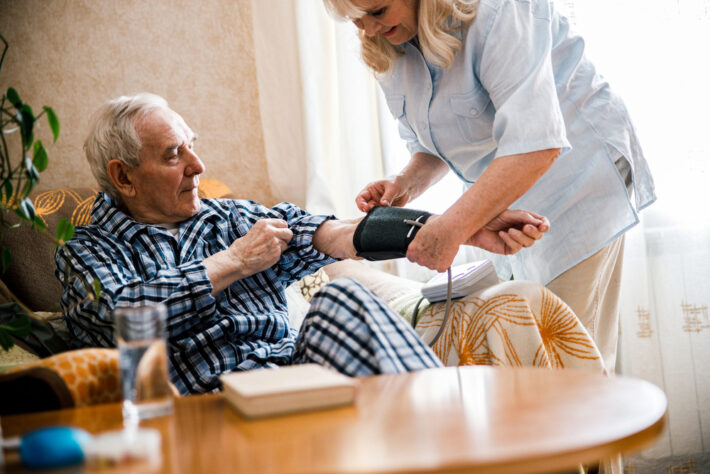
Caring for an aging parent, spouse, or loved one can be deeply meaningful. It can also become emotionally exhausting, physically draining, and mentally overwhelming over time. Many family caregivers step into the role gradually. What starts as helping with groceries or transportation often evolves into managing medications, attending medical appointments, coordinating care, monitoring safety, and providing emotional support every day.
The challenge is that caregivers frequently focus so much on the needs of the senior that they ignore their own health and well-being. Eventually, that imbalance can lead to caregiver burnout.
Understanding caregiver burnout is critical not only for the caregiver’s health, but also for the quality of care the senior receives. Burnout can affect judgment, patience, emotional stability, and physical health. In severe cases, it can create unsafe situations for both the caregiver and the person receiving care.
For families supporting older adults, recognizing the signs early and seeking the right support can make a significant difference.
What Is Caregiver Burnout?
Caregiver burnout is a state of physical, emotional, and mental exhaustion caused by the prolonged stress of caregiving responsibilities. It often develops slowly over time rather than appearing suddenly.
Many caregivers feel pressure to “do it all.” They may balance caregiving with work, raising children, managing a household, or handling financial responsibilities. When caregiving becomes constant without enough rest, support, or relief, burnout becomes increasingly likely.
Unlike temporary stress, burnout tends to feel persistent. A caregiver may begin to feel emotionally detached, chronically fatigued, irritable, anxious, or hopeless. Everyday tasks can feel heavier than usual, and motivation may decline.
Caregiver burnout is especially common among people caring for seniors with:
- Dementia or Alzheimer’s disease
- Parkinson’s disease
- Chronic illness
- Mobility limitations
- Stroke recovery needs
- Behavioral health conditions
- Multiple complex medical conditions
The emotional demands of caregiving are often underestimated. Watching a loved one decline physically or cognitively can create ongoing grief, guilt, frustration, and emotional fatigue.
Why Caregiver Burnout Happens
Caregiver burnout rarely has a single cause. In most cases, it develops from a combination of emotional, physical, logistical, and financial stressors.
Lack of Personal Time
Many caregivers struggle to take breaks. Some feel guilty stepping away, even briefly. Others simply do not have additional family support available.
Over time, losing personal time can lead to chronic exhaustion and emotional depletion.
Unrealistic Expectations
Caregivers often place enormous pressure on themselves. They may believe they should be able to manage every responsibility perfectly without help.
When expectations become unrealistic, feelings of failure and frustration can grow quickly.
Emotional Stress
Caring for a senior loved one can involve emotionally difficult situations, including:
- Memory loss
- Personality changes
- Aggression related to dementia
- Declining independence
- Frequent medical emergencies
- End-of-life concerns
The emotional weight of these experiences can become overwhelming without having the proper support in place.
Physical Demands
Many caregiving responsibilities are physically exhausting. Assisting with bathing, mobility, transfers, meal preparation, and medication schedules can take a serious toll on the body.
Sleep deprivation is also common among caregivers, especially when seniors require overnight supervision.
Isolation
Caregiving can become isolating. Caregivers may withdraw from friends, hobbies, travel, and social activities because they no longer have the time or energy.
That isolation often worsens anxiety, depression, and emotional fatigue.
Common Signs of Caregiver Burnout
Many caregivers do not realize they are experiencing burnout until symptoms become severe. Recognizing the warning signs early can help prevent long-term physical and emotional consequences.
Physical Symptoms
Caregiver burnout frequently affects physical health first.
Common symptoms include:
- Constant fatigue
- Frequent headaches
- Muscle tension
- Digestive problems
- Changes in appetite
- Sleep issues
- Increased illness
- High blood pressure
The body often reflects prolonged stress before caregivers fully acknowledge how overwhelmed they feel.
Emotional Symptoms
Emotional exhaustion is another major warning sign.
Caregivers experiencing burnout may notice:
- Irritability
- Anxiety
- Depression
- Mood swings
- Feeling emotionally numb
- Increased frustration
- Hopelessness
- Persistent sadness
Some caregivers begin feeling resentful about responsibilities they once accepted willingly. That emotional shift can create guilt, which further intensifies stress.
Behavioral Changes
Burnout can also affect daily behavior and decision-making.
Signs may include:
- Withdrawing from friends and family
- Losing interest in hobbies
- Increased alcohol use
- Difficulty concentrating
- Forgetfulness
- Neglecting personal health
- Missing appointments
- Reduced patience with the senior
These changes often signal that stress levels have exceeded healthy limits.
The Impact of Caregiver Burnout on Seniors
Caregiver burnout does not only affect the caregiver. It can also directly impact the senior receiving care.
When caregivers become exhausted or emotionally overwhelmed, it may lead to:
- Medication mistakes
- Missed appointments
- Reduced emotional engagement
- Increased tension in the home
- Communication breakdowns
- Declining care quality
Seniors often sense when caregivers are overwhelmed. In some situations, they may feel guilty for needing help, which can negatively affect their emotional health as well.
This is one reason why caregiver support services are so important. Supporting the caregiver ultimately supports the senior too.
How to Help Prevent Caregiver Burnout
Preventing burnout requires proactive support, realistic expectations, and consistent self-care. Waiting until exhaustion becomes severe makes recovery much more difficult.
Accept Help Early
One of the biggest mistakes caregivers make is waiting too long to ask for help.
Family members, healthcare professionals, friends, and community resources can often share responsibilities when asked directly.
Even small forms of assistance can reduce stress significantly, such as:
- Meal preparation
- Transportation
- Grocery shopping
- Medication pickup
- Respite care visits
Caregiving should never be treated as a one-person responsibility.
Prioritize Sleep and Nutrition
Sleep deprivation intensifies emotional stress, anxiety, and physical exhaustion.
Caregivers should prioritize:
- Consistent sleep schedules
- Hydration
- Balanced meals
- Regular physical activity
- Preventive healthcare appointments
Skipping basic health needs may seem manageable temporarily, but over time it increases burnout risk dramatically.
Set Realistic Boundaries
Not every task must be handled perfectly. Caregivers often benefit from identifying what truly matters most and letting go of unnecessary pressure.
Healthy boundaries may include:
- Saying no to nonessential obligations
- Delegating responsibilities
- Scheduling personal time
- Limiting unrealistic expectations from others
Protecting personal energy is essential for long-term caregiving sustainability.
Stay Connected Socially
Isolation worsens burnout. Maintaining social connections can help caregivers feel emotionally supported and less alone.
Even brief interactions can improve emotional well-being, including:
- Phone calls with friends
- Coffee outings
- Support groups
- Religious or community involvement
- Counseling sessions
Caregivers need emotional support just as much as practical support.
The Importance of Respite Care
Respite care provides temporary relief for caregivers while ensuring seniors continue receiving quality support.
For many families, respite care becomes one of the most effective ways to reduce burnout risk.
Respite support may include:
- In-home care visits
- Adult day programs
- Short-term overnight care
- Skilled nursing support
- Companion care services
Having trusted professionals step in periodically allows caregivers to rest, recharge, and attend to their own needs.
This break is not selfish. It is necessary.
How In-Home Senior Care Can Help Reduce Burnout
Professional in-home senior care can dramatically reduce the pressure placed on family caregivers.
Many families assume outside care is only needed during medical emergencies or advanced illness. In reality, introducing support earlier often creates better outcomes for everyone involved.
In-home senior care services may help with:
- Medication management
- Daily living assistance
- Mobility support
- Meal preparation
- Chronic condition management
- Behavioral health support
- Transportation coordination
- Telemedicine support
- Nurse care management
For caregivers, this shared support system creates breathing room and reduces the constant pressure of handling every responsibility alone.
Families working with experienced care teams often find they can spend more meaningful time with their loved one instead of feeling consumed by logistical caregiving tasks.
Caregiver Support and Mental Health
Caregiver mental health deserves serious attention. Chronic stress increases the risk of depression, anxiety disorders, cardiovascular issues, and weakened immune function.
Professional support can be incredibly valuable.
Options may include:
- Individual counseling
- Caregiver support groups
- Stress management programs
- Family therapy
- Behavioral health services
Many caregivers delay seeking emotional support because they feel they should be “strong enough” to manage alone. In reality, recognizing limits and seeking help is a sign of awareness and responsibility.
When It May Be Time for Additional Care Support
Some caregiving situations become too complex or demanding for one person to manage safely long term.
Signs additional support may be needed include:
- Frequent caregiver exhaustion
- Missed medications or appointments
- Increased falls or safety concerns
- Escalating behavioral challenges
- Sleep deprivation
- Declining caregiver health
- Difficulty managing chronic conditions
Seeking professional care support early can prevent crisis situations later.
Supporting the Caregiver Supports the Senior
Caregiving is one of the most compassionate roles a person can take on, but it should never come at the expense of the caregiver’s own health and well-being.
Burnout develops when stress becomes constant and support becomes limited. Families who recognize the warning signs early and build a strong support system are better positioned to provide sustainable, compassionate care for their loved ones.
Professional in-home senior care services can play a major role in reducing caregiver strain while improving quality of life for seniors. Whether through medication management, nurse care management, chronic condition support, behavioral health services, or respite care, having trusted support can help families regain balance and peace of mind.
No caregiver should feel they have to navigate the challenges of senior care completely alone.
If you or your loved one needs help, reach our care team by calling 1-888-982-8594 or use our online form here.
FAQ About Caregiver Burnout
What is caregiver burnout?
Caregiver burnout is a state of emotional, mental, and physical exhaustion caused by the ongoing stress of caring for another person. It commonly affects family members caring for aging parents, spouses, or seniors with chronic health conditions.
What are the first signs of caregiver burnout?
Early signs often include fatigue, irritability, anxiety, sleep problems, emotional exhaustion, and withdrawing from social activities. Some caregivers also experience headaches, changes in appetite, or increased frustration.
How common is caregiver burnout?
Caregiver burnout is extremely common, especially among individuals caring for seniors with dementia, chronic illnesses, or complex medical needs. Many caregivers experience prolonged stress due to the emotional and physical demands of caregiving.
How can caregivers reduce stress?
Caregivers can reduce stress by asking for help, taking regular breaks, maintaining social connections, prioritizing sleep and nutrition, and using professional support services such as respite care or in-home senior care.
Can caregiver burnout affect seniors?
Yes. When caregivers become overwhelmed or exhausted, it can affect the quality and consistency of care provided to the senior. Supporting the caregiver helps improve outcomes for the senior as well.
What services help family caregivers?
Helpful services may include:
- In-home senior care
- Medication management
- Nurse care management
- Telemedicine support
- Respite care
- Behavioral health services
- Chronic condition management
- Companion care
These services help reduce caregiver stress while ensuring seniors receive consistent support.
When should a caregiver ask for help?
Caregivers should seek help as soon as they begin feeling overwhelmed, exhausted, emotionally drained, or unable to maintain their own health. Early intervention can prevent burnout from becoming severe.
How does respite care help caregivers?
Respite care provides temporary relief so caregivers can rest, attend appointments, spend time with family, or focus on their own health while their loved one continues receiving quality care.