
How to Prepare for Successful Recovery at Home After Hospital Discharge
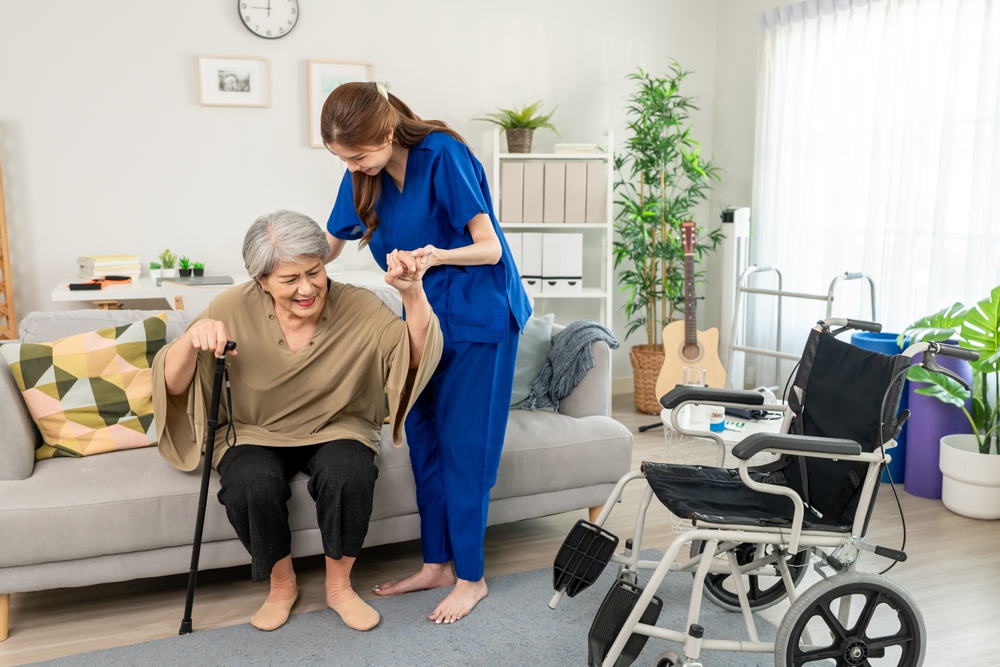
Leaving the hospital is an important milestone, but it does not always mean recovery is complete. For many older adults, the transition from hospital to home is when some of the most important healing begins. Medications may have changed, mobility may be limited, and everyday activities that once seemed simple can suddenly require assistance.
Knowing how to prepare for a successful recovery at home after hospital discharge can make this transition safer, more comfortable, and less stressful for patients and their families.
A successful recovery involves more than getting enough rest. It requires a clear discharge plan, medication management, follow-up medical care, a safe living environment, and support from caregivers who understand the patient’s needs.
This is particularly important for seniors managing chronic health conditions, recovering from surgery, or returning home after an extended hospital stay.
With the right preparation and coordinated healthcare services, many older adults can recover in familiar surroundings while maintaining their independence and reducing the risk of preventable complications.
Why Preparing for Recovery After Hospital Discharge Matters
The transition from hospital care to home recovery is often called a transition of care. During this period, responsibility for daily medical needs shifts from hospital professionals to the patient, family caregivers, primary care providers, and home-based healthcare teams.
That change can create challenges.
In the hospital, nurses monitor symptoms, administer medications, assist with mobility, and respond quickly when a patient’s condition changes. At home, those responsibilities must be addressed through a combination of self-care, caregiver assistance, and professional medical support.
Without adequate preparation, older adults may experience medication errors, falls, missed follow-up appointments, worsening symptoms, or complications that require another hospital visit.
Why Seniors May Need Additional Support After Hospitalization
Older adults often face more complex recovery needs than younger patients.
A senior recovering from pneumonia, for example, may also have diabetes, heart disease, arthritis, or memory problems. Although the pneumonia may have improved enough for hospital discharge, managing these other conditions remains essential.
Hospitalization itself can also affect physical and emotional health. Even a relatively short stay may contribute to:
- Muscle weakness and reduced mobility
- Fatigue and difficulty completing daily activities
- Changes in appetite or sleep patterns
- Confusion or difficulty remembering instructions
- Anxiety about returning home
- Increased dependence on family caregivers
- Changes in medication routines
These challenges do not necessarily mean an older adult cannot recover at home. They indicate that the recovery plan should reflect the person’s current abilities rather than assuming everything will immediately return to normal.
1. Understand the Hospital Discharge Plan Before Going Home
One of the most important steps in preparing for recovery is understanding exactly what needs to happen after leaving the hospital.
Hospital discharge instructions typically explain the patient’s diagnosis, medications, activity restrictions, recommended treatments, follow-up appointments, and symptoms that require medical attention.
However, discharge paperwork can be overwhelming, especially when someone is tired, uncomfortable, or anxious about returning home.
Patients and caregivers should review the instructions with the hospital discharge team before leaving.
Important Questions to Ask Before Hospital Discharge
Make sure you understand:
- What medical condition led to hospitalization?
- What treatments were provided?
- Which symptoms should improve during recovery?
- What symptoms indicate a possible complication?
- Have any medications been started, stopped, or changed?
- Are there restrictions on walking, lifting, bathing, or driving?
- Will physical therapy, occupational therapy, or nursing services be needed?
- When should the patient see their primary care provider?
- Who should be contacted if questions arise after discharge?
- What medical equipment or supplies will be needed at home?
Ask the hospital team to explain unfamiliar medical terms and demonstrate any procedures that must be performed at home.
For example, if a patient requires wound care, the caregiver should understand how the dressing will be changed, who is responsible for performing the procedure, and what signs of infection to watch for.
It can also help to repeat the instructions in your own words. This allows the discharge team to identify misunderstandings before the patient leaves.
Keep Discharge Documents Accessible
Create a folder containing the discharge summary, medication list, appointment information, treatment instructions, and emergency contact numbers.
Keep a digital copy when possible.
These documents should be shared with the patient’s primary care provider and other clinicians involved in recovery. Accurate information helps prevent gaps in care when multiple healthcare professionals are involved.
2. Prepare the Home for a Safe Recovery
A home that was comfortable before hospitalization may need adjustments during recovery.
Weakness, dizziness, pain, and limited mobility can make ordinary household obstacles more dangerous.
Preparing the home before discharge helps reduce fall risks and makes essential activities easier.
Remove Common Fall Hazards
Start by examining the areas the patient will use most frequently.
Look for loose rugs, electrical cords, cluttered walkways, slippery flooring, and poorly lit spaces.
Simple modifications can make a meaningful difference:
- Remove throw rugs or secure them properly.
- Clear walking paths between the bedroom, bathroom, and living areas.
- Improve lighting in hallways and stairways.
- Install grab bars where appropriate.
- Use nonslip surfaces in bathrooms.
- Keep frequently used items within easy reach.
- Ensure handrails are secure.
- Arrange furniture to accommodate walkers or wheelchairs.
Patients who experience balance problems or significant weakness may benefit from a home safety assessment by an occupational therapist.
Set Up a Comfortable Recovery Area
Choose a location that allows the patient to rest without becoming isolated from the household.
The recovery area should have adequate lighting, comfortable seating, easy access to drinking water, and enough space for medical equipment.
Keep essential items nearby, including a telephone, medication schedule, glasses, mobility aids, and contact information for healthcare providers.
If the patient cannot safely climb stairs, consider whether a temporary sleeping arrangement on the main floor is appropriate.
Plan for Bathroom and Personal Care Needs
Bathrooms can be particularly challenging after hospitalization.
Depending on the patient’s condition, a shower chair, raised toilet seat, handheld showerhead, or other assistive equipment may improve safety.
Some older adults also need temporary assistance with bathing, dressing, grooming, or using the bathroom.
Families should identify these needs before discharge rather than discovering them during the first night at home.
3. Review and Organize All Medications
Medication management is one of the most important parts of a successful hospital-to-home transition.
Hospitalization frequently results in prescription changes. A physician may prescribe a new medication, adjust a dosage, discontinue an existing treatment, or temporarily change how a chronic condition is managed.
Problems arise when patients return home and resume their previous medication routines without accounting for those changes.
Complete a Medication Reconciliation
Medication reconciliation means comparing the patient’s medications before hospitalization with the updated discharge medication list.
This process helps identify duplicate prescriptions, conflicting instructions, discontinued medications, and potential drug interactions.
A healthcare professional should review:
- Prescription medications
- Over-the-counter medications
- Vitamins and supplements
- Medication dosages and schedules
- Newly prescribed treatments
- Medications that should no longer be taken
- Possible side effects and interactions
Do not assume that every medication used before hospitalization should be restarted.
For example, a senior taking blood pressure medication may receive different instructions after treatment for dehydration or another acute illness. Restarting the previous dosage without clarification could cause problems.
Establish a Reliable Medication Routine
Once the medication list has been confirmed, develop a system that supports consistent use.
Some patients benefit from pill organizers, medication reminder systems, written schedules, or caregiver assistance.
Others may require professional medication management because of memory difficulties, complex prescriptions, or multiple chronic conditions.
The goal is to ensure that medications are taken correctly while identifying side effects or changes in health that require attention.
Seniority Healthcare incorporates medication management into its coordinated senior care approach, helping patients and families address medication safety alongside their broader medical needs.
4. Schedule Follow-Up Medical Appointments
Recovery should not depend on waiting until something goes wrong.
Follow-up appointments allow healthcare professionals to evaluate healing, review medications, monitor symptoms, and adjust treatment plans.
The appropriate timing depends on the reason for hospitalization, the patient’s medical condition, and the discharge team’s recommendations.
Some patients require prompt follow-up within a few days. Others may need appointments with several specialists.
Why Primary Care Follow-Up Is Important
A primary care provider can review the hospital discharge summary and evaluate how the patient is managing at home.
During a post-hospitalization appointment, the provider may:
- Assess recovery progress
- Review new or worsening symptoms
- Evaluate medication changes
- Monitor chronic medical conditions
- Review laboratory results
- Address nutrition and mobility concerns
- Coordinate specialist appointments
- Determine whether additional home-based services are needed
For older adults managing several health conditions, this visit also provides an opportunity to ensure that hospital treatment recommendations align with their long-term healthcare needs.
Consider In-Home Primary Care When Travel Is Difficult
Traveling to medical appointments can be exhausting for seniors recovering from illness, injury, or surgery.
Patients with limited mobility, significant weakness, or transportation challenges may benefit from medical services delivered at home.
In-home primary care can make it easier to maintain contact with healthcare professionals while reducing some of the physical demands associated with traditional office visits.
Seniority Healthcare provides senior-focused medical care that includes in-home primary care, chronic condition management, and coordinated follow-up services for eligible patients. See if you qualify here.
Telemedicine may also support recovery by allowing patients to discuss symptoms, medication concerns, or treatment progress remotely when an in-person examination is not required.
5. Arrange the Right Level of In-Home Care and Assistance
Not every patient needs the same type of support after hospital discharge.
Some older adults return home with minimal assistance. Others require skilled nursing, rehabilitation, personal care, or ongoing medical supervision.
Understanding the differences between these services helps families make appropriate arrangements.
Skilled Home Health Services
Skilled home health services may be ordered when a patient needs intermittent clinical treatment or rehabilitation.
Depending on the patient’s condition and eligibility, services may include:
- Skilled nursing assessments
- Wound care
- Physical therapy
- Occupational therapy
- Speech-language therapy
- Patient and caregiver education
For example, a senior recovering from hip surgery may require physical therapy to improve walking ability, strength, and balance.
A patient discharged after treatment for a serious wound may need skilled nursing visits for wound assessment and dressing changes.
These services are generally provided according to a physician-approved care plan.
Personal Care and Daily Living Assistance
Personal care services address different needs.
A home care aide may assist with bathing, dressing, meal preparation, light household tasks, and other daily activities.
These services can be especially valuable when a patient is medically stable but not yet strong enough to manage independently.
Personal care assistance does not replace skilled medical treatment. Some patients need both.
Nurse Case Management
Nurse case management provides another layer of support, particularly for seniors with complex medical needs.
A nurse case manager helps coordinate care between providers, reviews treatment plans, monitors concerns, and supports communication among patients, caregivers, and healthcare professionals.
Consider a senior who returns home after hospitalization for heart failure.
The patient may need medication adjustments, symptom monitoring, cardiology follow-up, dietary changes, and assistance managing other chronic conditions.
A nurse case manager can help keep those responsibilities organized so that important parts of the recovery plan are not overlooked.
At Seniority Healthcare, nurse case management is one of three core services, alongside primary senior care and behavioral health support.
6. Support Recovery Through Proper Nutrition and Hydration
Healing places additional demands on the body.
After hospitalization, older adults may experience reduced appetite, changes in taste, difficulty preparing meals, or fatigue that makes eating less appealing.
Poor nutrition can contribute to weakness, delayed wound healing, and difficulty rebuilding muscle strength.
Focus on Nutrient-Rich Meals
A recovery diet should reflect the patient’s medical condition and any instructions provided by the healthcare team.
In general, balanced meals may include:
- Protein sources such as eggs, fish, poultry, beans, and yogurt
- Fruits and vegetables that provide vitamins and minerals
- Whole grains for energy and fiber
- Healthy fats from appropriate foods
- Fluids that support hydration
Protein is particularly important for maintaining muscle mass and supporting tissue repair.
However, patients with kidney disease, swallowing difficulties, diabetes, heart failure, or other conditions may require individualized dietary recommendations.
Watch for Dehydration
Dehydration can be a concern for older adults, especially those experiencing poor appetite, fever, vomiting, diarrhea, or medication-related fluid loss.
Possible signs include dry mouth, reduced urination, dizziness, and unusual fatigue.
Some patients, particularly those with heart failure or kidney disease, must follow specific fluid restrictions.
Caregivers should follow the prescribed hydration plan rather than encouraging unrestricted fluid intake.
Make Eating Easier During Recovery
Preparing meals in advance can reduce the burden on patients and caregivers.
Smaller, more frequent meals may be easier for someone experiencing fatigue or reduced appetite.
If the patient has trouble chewing, swallowing, or maintaining adequate nutrition, the healthcare team may recommend additional evaluation or specialized dietary support.
7. Encourage Safe Movement and Physical Rehabilitation
Rest is necessary after hospitalization, but prolonged inactivity can create additional problems.
Older adults may lose strength and endurance during a hospital stay, particularly when they spend much of their time in bed.
This loss of physical function can make walking, climbing stairs, and completing everyday activities more difficult.
Follow the Recommended Activity Plan
The appropriate level of physical activity depends on the patient’s diagnosis, treatment, and recovery progress.
For some patients, short walks around the home may be encouraged.
Others may require supervised rehabilitation or temporary restrictions on movement.
A patient recovering from abdominal surgery, for example, may have lifting restrictions even if walking is encouraged.
Follow the discharge instructions and rehabilitation plan rather than assuming that more activity always leads to faster healing.
Understand the Role of Physical and Occupational Therapy
Physical therapy focuses on improving strength, balance, mobility, and physical function.
Occupational therapy helps patients regain the ability to perform everyday tasks, including dressing, bathing, cooking, and moving safely through the home.
These services may be particularly useful for seniors recovering from strokes, fractures, orthopedic surgery, or prolonged illness.
The objective is not simply to improve physical performance. It is to help the patient regain as much safe independence as possible.
8. Monitor Symptoms and Recognize Warning Signs
One of the biggest challenges during recovery is distinguishing expected healing symptoms from signs of a developing complication.
Some discomfort, fatigue, or temporary limitations may be normal depending on the reason for hospitalization.
However, new or worsening symptoms should not automatically be dismissed as part of recovery.
Symptoms That May Require Prompt Medical Attention
Contact the healthcare team promptly for concerns such as:
- Fever or other signs of infection
- Increasing pain that is not controlled as expected
- Redness, swelling, or drainage around a surgical wound
- New or worsening swelling
- Persistent vomiting or inability to maintain adequate intake
- Increasing weakness or dizziness
- Significant changes in blood pressure or blood sugar outside the patient’s care plan
- New confusion or changes in behavior
- Worsening breathing symptoms
The discharge instructions should identify condition-specific warning signs and explain whom to contact.
Know When Emergency Care Is Necessary
Some symptoms require immediate emergency evaluation.
Call 911 for severe difficulty breathing, persistent chest pain, sudden weakness on one side of the body, new facial drooping, difficulty speaking, loss of consciousness, or other signs of a life-threatening emergency.
Sudden severe confusion or an abrupt change in responsiveness also warrants emergency attention.
Families should have an emergency plan that includes access to the patient’s medication list, medical history, and emergency contacts.
Track Recovery Progress at Home
For patients with chronic conditions or complicated recoveries, monitoring certain health measurements may be useful.
Depending on the care plan, these could include blood pressure, blood glucose, oxygen saturation, weight, temperature, or symptom changes.
For example, a patient recovering from a heart failure hospitalization may be instructed to monitor daily weight and report changes that exceed individualized thresholds.
The important point is to know which measurements matter, how frequently they should be checked, and what results require contacting a clinician.
9. Address Emotional and Behavioral Health During Recovery
Physical healing is only one part of recovering after hospitalization.
Older adults may experience anxiety, sadness, frustration, sleep disturbances, or a loss of confidence after a serious medical event.
Some worry about becoming dependent on family members. Others fear returning to the hospital or feel discouraged because everyday activities have become difficult.
These emotional responses deserve attention.
Recognize Changes in Mood and Behavior
Caregivers should watch for persistent changes such as withdrawal from family activities, loss of interest in previously enjoyed hobbies, unusual irritability, disrupted sleep, or ongoing anxiety.
Depression and anxiety can affect motivation, appetite, medication adherence, and participation in rehabilitation.
Behavioral changes may also reflect medical concerns.
For example, sudden confusion after hospitalization may be associated with delirium, medication effects, infection, dehydration, or another acute condition.
It should not automatically be attributed to normal aging or dementia.
Provide Emotional Support Without Removing Independence
Recovery can be frustrating when a person needs help with tasks they previously managed alone.
Caregivers can support emotional well-being by encouraging appropriate independence, maintaining familiar routines, and involving the patient in decisions.
Small choices matter.
Allowing someone to choose meals, plan daily activities, or participate in managing appointments can help preserve dignity and confidence.
When emotional or behavioral symptoms persist, professional evaluation may be appropriate.
Seniority Healthcare integrates behavioral health services with primary care and nurse case management, recognizing that mental and physical health are closely connected during recovery and throughout aging.
10. Create a Caregiver Support Plan
Family caregivers often become the primary source of assistance after hospital discharge.
They may help organize medications, prepare meals, provide transportation, monitor symptoms, and communicate with healthcare professionals.
These responsibilities can become overwhelming, especially when the caregiver is balancing employment, children, or other obligations.
Divide Responsibilities Before Discharge
Families should discuss who will handle specific recovery tasks.
One person might coordinate medical appointments while another assists with groceries or transportation.
For patients who need extensive support, it may be necessary to establish a schedule that ensures someone is available during critical periods.
Caregivers should also understand which tasks require licensed medical professionals.
For example, family members should not be expected to perform complex medical procedures without appropriate training and authorization.
Watch for Caregiver Stress
Caregiver fatigue can affect both the person providing support and the patient receiving it.
Warning signs include persistent exhaustion, irritability, difficulty sleeping, anxiety, and feeling unable to manage responsibilities.
Respite assistance, professional home care, family support, and care coordination can help reduce this burden.
Effective caregiver support is not simply about making caregiving easier. It helps create a more sustainable recovery environment.
11. Manage Chronic Conditions Throughout Recovery
Hospitalization often occurs alongside existing health problems.
An older adult admitted for a respiratory infection may also be managing diabetes, hypertension, chronic obstructive pulmonary disease (COPD), or heart disease.
These conditions do not disappear during recovery.
In some cases, hospitalization can temporarily change how chronic diseases must be managed.
Why Chronic Disease Management Matters After Discharge
Illness, reduced activity, dietary changes, and new medications can affect long-term health conditions.
For example:
- Infection or medication changes may alter blood glucose levels in patients with diabetes.
- Reduced mobility can worsen stiffness and functional limitations in patients with arthritis.
- Changes in fluid balance may complicate heart failure management.
- Respiratory illness may increase the need for monitoring in patients with COPD.
- Medication changes may affect blood pressure or kidney function.
A successful recovery plan considers both the immediate reason for hospitalization and the patient’s ongoing medical conditions.
Coordinate Care Between Specialists
When several physicians are involved, communication becomes essential.
The primary care provider, hospital team, specialists, rehabilitation professionals, and caregivers should have access to accurate information about treatment changes.
This is particularly important when multiple medications or overlapping medical conditions are involved.
Seniority Healthcare’s approach to chronic disease management emphasizes coordinated medical oversight, medication management, and continued support for older adults living with complex health needs.
12. Develop a Recovery Schedule for the First 30 Days
The first month after hospitalization is an important period for monitoring recovery, addressing complications, and adjusting support.
Not every patient follows the same timeline. Someone recovering from a minor procedure may improve quickly, while a senior recovering from a stroke, major surgery, or serious infection may require months of rehabilitation.
A flexible recovery schedule can help families organize care without setting unrealistic expectations.
The First 24 to 48 Hours: Establish Safety and Stability
During the first two days, the priority is ensuring that the patient has everything needed to follow the discharge plan.
Confirm that medications and equipment are available, the home environment is safe, and appropriate assistance is in place.
Review the discharge instructions again after the patient has had an opportunity to rest.
If there are questions about medications, symptoms, or scheduled services, contact the appropriate healthcare professional promptly.
Days 3 to 7: Evaluate Early Recovery
During the first week, focus on how the patient is functioning at home.
Consider whether they are eating adequately, following medication instructions, moving safely, sleeping reasonably well, and managing daily activities.
Complete follow-up appointments according to the discharge plan.
If recovery is more difficult than anticipated, discuss whether additional nursing, rehabilitation, or caregiver assistance is needed.
Weeks 2 to 4: Reassess Progress and Support Needs
As recovery continues, healthcare professionals may adjust medications, activity recommendations, rehabilitation goals, or monitoring requirements.
Families should evaluate whether the patient is becoming more independent or continues to need substantial assistance.
This is also an appropriate time to review chronic condition management and identify any longer-term support needs.
For some seniors, ongoing in-home primary care or nurse case management may provide valuable continuity after the initial recovery period.
How to Prevent Avoidable Hospital Readmissions
Preventing unnecessary hospital readmissions is an important goal of post-discharge care.
Not every readmission can be prevented. Some patients experience complications despite receiving appropriate treatment and support.
However, several common problems can be addressed through careful planning.
Maintain Clear Communication Between Healthcare Providers
Discharge instructions should reach the professionals responsible for the patient’s continued care.
Medication changes, pending test results, specialist recommendations, and follow-up requirements must be communicated accurately.
A nurse case manager can help coordinate this information when several providers are involved.
Identify Problems Before They Become Emergencies
Early attention to changes in symptoms can help prevent some conditions from worsening.
A patient who develops increasing swelling, for example, may need prompt assessment rather than waiting until breathing difficulties occur.
Similarly, new medication side effects or declining mobility should be discussed before they lead to additional complications.
Make the Recovery Plan Realistic
A treatment plan is only effective if the patient can follow it.
If a senior cannot afford prescribed medications, travel to appointments, prepare appropriate meals, or understand complex instructions, those barriers need to be addressed.
Care teams should consider the patient’s physical abilities, financial circumstances, cognitive function, caregiver availability, and living environment.
The best discharge plan is one that works in the patient’s actual home, not just on paper.
How Seniority Healthcare Supports Recovery After Hospital Discharge
For older adults with multiple medical conditions, successful recovery often requires more than a single follow-up appointment.
It may involve ongoing primary care, medication oversight, symptom monitoring, behavioral health support, and communication between several healthcare providers.
Seniority Healthcare focuses on helping older adults receive coordinated medical care in familiar surroundings.
Its approach brings together three core services:
Primary Senior Care
Primary senior care supports medical evaluation, preventive care, chronic condition management, and follow-up after hospitalization.
For seniors who have difficulty traveling, in-home medical services can help maintain access to appropriate healthcare.
Behavioral Health Support
Behavioral health services address emotional, psychological, and cognitive concerns that may affect recovery and long-term well-being.
This can be particularly important for patients experiencing anxiety, depression, behavioral changes, or dementia-related challenges.
Nurse Case Management
Nurse case management helps organize healthcare services and improve communication between patients, caregivers, and medical providers.
For seniors with multiple diagnoses or complicated treatment plans, having a coordinated approach can reduce confusion and help identify emerging concerns.
Additional Services That Support Recovery at Home
Seniority Healthcare also offers services that complement its three core areas, including medication management, coordinated care, chronic condition management, caregiver support, telemedicine, and in-home healthcare.
For older adults with complex or serious medical conditions, the COMPASS Program provides structured, coordinated in-home support.
The program includes regular nurse case management visits, facilitated telemedicine appointments with advanced practice providers, medication oversight, symptom monitoring, and coordination with other healthcare services when needed.
This integrated approach is particularly relevant for seniors who face challenges managing multiple conditions, coordinating specialists, or maintaining consistent medical follow-up.
To learn more about Seniority Healthcare’s services and availability, visit seniorityhealthcare.com or call 1-888-982-8594.
We accept a wide variety of different insurances, including Medicare. Check out the insurances we accept.
To review some of the most common questions we’re asked, please see our FAQs.
Hospital Discharge Checklist for Seniors and Caregivers
Preparing for recovery is easier when important responsibilities are organized before the patient returns home.
Use this checklist to review the essentials.
Recovery preparation checklist
- Before leaving the hospital
- Receive and review written discharge instructions
- Confirm medication changes and obtain prescriptions
- Understand activity restrictions and warning signs
- Schedule or arrange recommended follow-up appointments
- Confirm any ordered home health or rehabilitation services
Preparing the home
- Remove fall hazards and improve lighting
- Set up a comfortable recovery area
- Arrange mobility aids and medical equipment
- Prepare meals and essential supplies
- Confirm transportation and caregiver availability
During recovery
- Follow the prescribed medication schedule
- Monitor symptoms and recommended health measurements
- Attend medical and rehabilitation appointments
- Support nutrition, hydration, rest, and safe movement
- Review recovery progress and adjust assistance as needed
Frequently Asked Questions About Recovery at Home After Hospital Discharge
What is the best way to prepare for recovery at home after hospital discharge?
The best approach is to create a clear recovery plan before leaving the hospital. This includes reviewing discharge instructions, organizing medications, preparing a safe home environment, arranging follow-up medical care, and identifying the level of assistance needed.
For older adults with multiple medical conditions, coordinated primary care and nurse case management can provide additional support throughout recovery.
How long does it take to recover after being discharged from the hospital?
Recovery time varies depending on the patient’s age, medical condition, overall health, and reason for hospitalization.
Some people recover within several days or weeks. Others may require months of rehabilitation or continued medical support.
Recovery should be evaluated based on improvements in symptoms, mobility, daily functioning, and overall health rather than a fixed timeline.
What should you do during the first 24 hours after hospital discharge?
During the first 24 hours, review discharge instructions, confirm medication schedules, ensure the patient has necessary supplies, and establish a safe recovery environment.
Caregivers should also verify follow-up appointments, understand warning signs, and make sure the patient has assistance with daily activities when needed.
What are the most common problems after hospital discharge?
Common challenges include medication confusion, fatigue, weakness, mobility limitations, missed appointments, poor appetite, and difficulty managing chronic conditions.
Some patients also experience anxiety, depression, sleep disturbances, or changes in cognitive function.
Recognizing these problems early allows healthcare professionals and caregivers to adjust the recovery plan.
How can families help elderly parents recover at home?
Families can assist by preparing the home, organizing medications, arranging appointments, providing meals, monitoring symptoms, and supporting safe mobility.
Emotional encouragement is also important.
Caregivers should help with tasks the patient cannot safely perform while encouraging independence whenever appropriate.
Does Medicare cover home healthcare after hospital discharge?
Medicare may cover eligible home health services when specific requirements are met.
Under Original Medicare, qualifying patients generally must need intermittent skilled services, meet homebound criteria, and receive care through a Medicare-certified home health agency under an appropriate care plan.
Covered services may include skilled nursing and certain therapy services.
Medicare generally does not cover ongoing custodial care or 24-hour home assistance when those are the only services needed.
Coverage for primary care visits, telemedicine, and nurse case management may fall under different Medicare benefits and billing requirements.
What is the difference between home health care and nurse case management?
Home health care may involve direct clinical services such as wound treatment, skilled nursing, and rehabilitation.
Nurse case management focuses on coordinating healthcare services, monitoring care plans, improving communication, and helping patients navigate treatment across multiple providers.
Some older adults benefit from both services during recovery.
Can seniors receive primary care at home after hospitalization?
Yes. Some healthcare organizations provide in-home primary care for older adults who have difficulty traveling to medical offices.
These services may include medical evaluations, chronic disease management, medication reviews, and follow-up care.
Availability and insurance coverage depend on the provider, location, and patient’s circumstances.
What are the warning signs of complications after hospital discharge?
Warning signs depend on the medical condition but may include worsening pain, fever, increasing weakness, new confusion, wound changes, unusual swelling, or worsening breathing symptoms.
Patients should follow their individualized discharge instructions and contact their healthcare provider promptly when concerning symptoms develop.
Severe chest pain, major breathing difficulty, stroke symptoms, or loss of consciousness require emergency medical attention.
How can hospital readmissions be prevented in older adults?
Some avoidable hospital readmissions can be reduced through medication reconciliation, timely follow-up care, chronic disease management, symptom monitoring, caregiver education, and effective communication between healthcare providers.
Nurse case management and coordinated senior care may be particularly helpful for patients with multiple medical conditions or complicated treatment plans.
What if an elderly parent is not strong enough to live independently after hospitalization?
Families should request an assessment of the patient’s medical, physical, cognitive, and daily living needs.
Depending on the situation, options may include home health services, personal care assistance, rehabilitation, in-home medical care, or a more supportive residential setting.
The appropriate choice depends on safety, available caregiver support, and the level of care required.
Why is follow-up care important after hospital discharge?
Follow-up care allows healthcare professionals to assess recovery, review medications, identify complications, and adjust treatment plans.
It also helps ensure that hospital recommendations are incorporated into ongoing primary care and chronic disease management.
For seniors with complex medical needs, coordinated follow-up can improve continuity between hospital treatment and long-term healthcare.
A Successful Recovery at Home Begins With the Right Support
Returning home after hospitalization should mark the beginning of a well-supported recovery, not the end of medical attention.
For older adults, healing often involves managing several needs at once. Physical strength must improve, medications must remain organized, chronic conditions require monitoring, and emotional well-being deserves attention.
Families also need clear information about what to expect and where to turn when concerns arise.
The most effective recovery plans bring these responsibilities together through communication, preparation, and consistent medical oversight.
Seniority Healthcare helps older adults and their families navigate these challenges through primary senior care, behavioral health support, and nurse case management. Its coordinated approach also includes medication management, chronic condition management, caregiver support, telemedicine, and in-home healthcare services.
Whether a senior is recovering from surgery, managing a chronic illness, or adjusting after an unexpected hospital stay, having appropriate care in place can make the transition home safer and more manageable.
To learn how Seniority Healthcare can support recovery and ongoing health at home, visit Seniority Healthcare or contact the care team at 1-888-982-8594.
